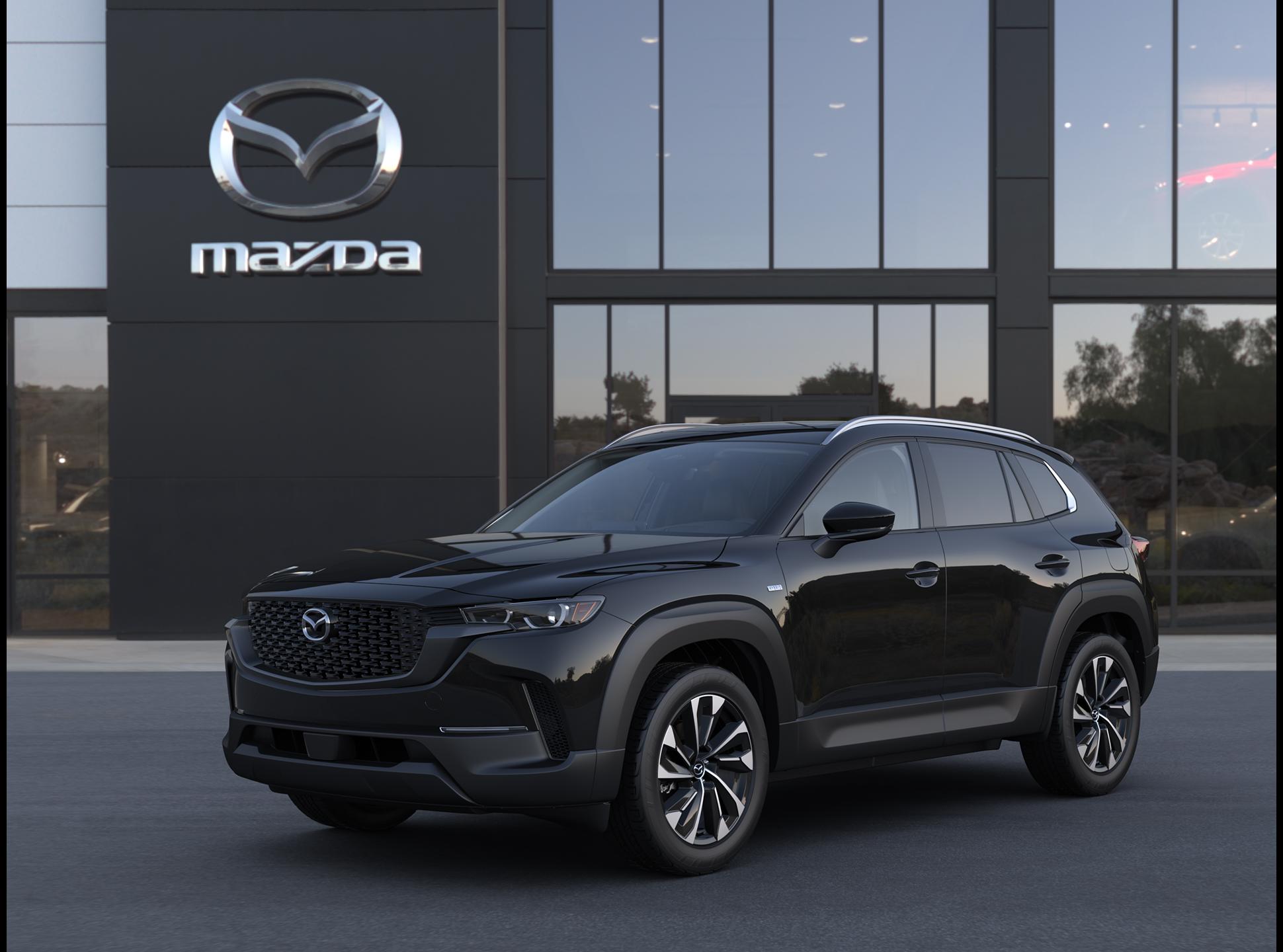
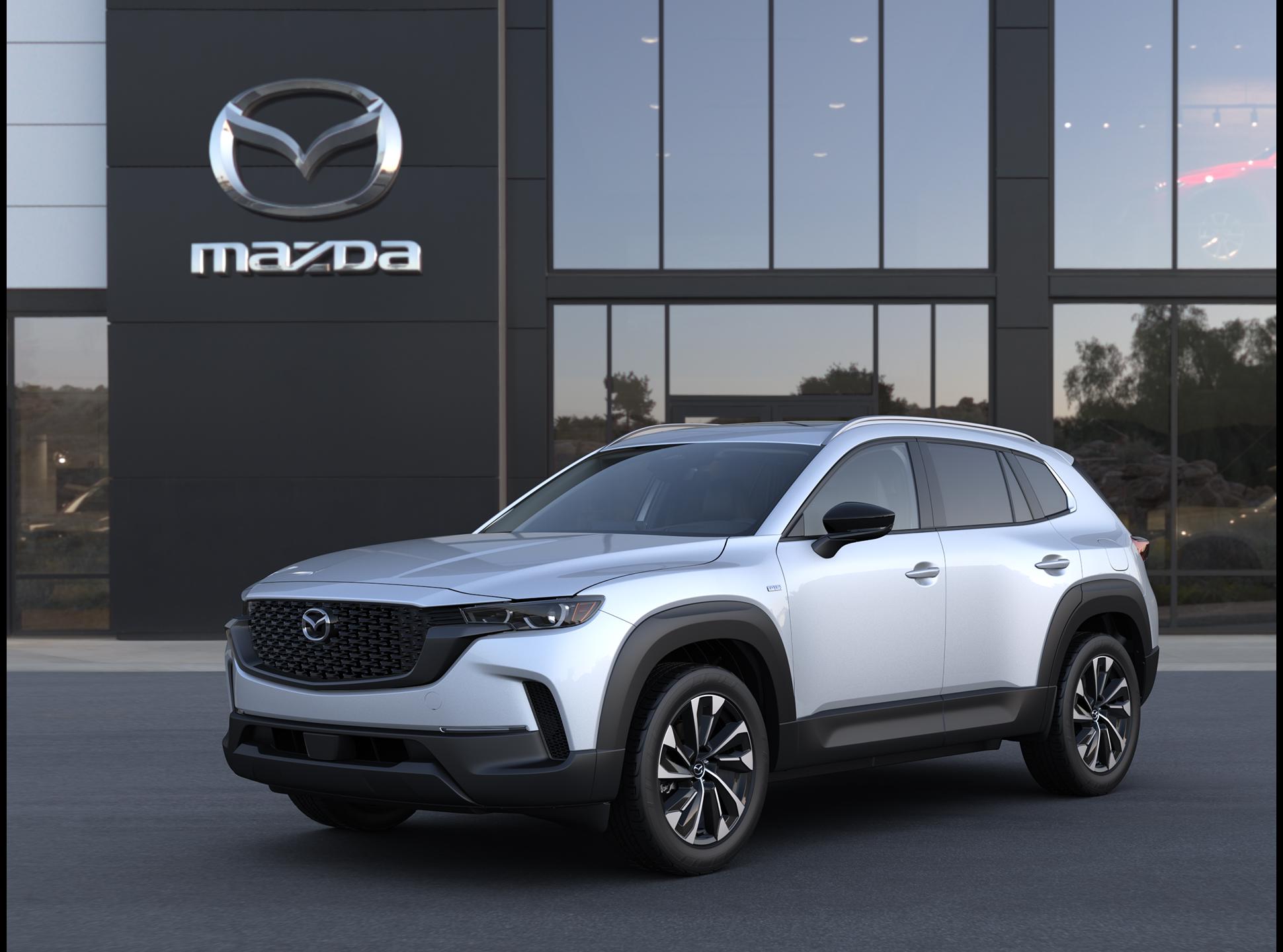
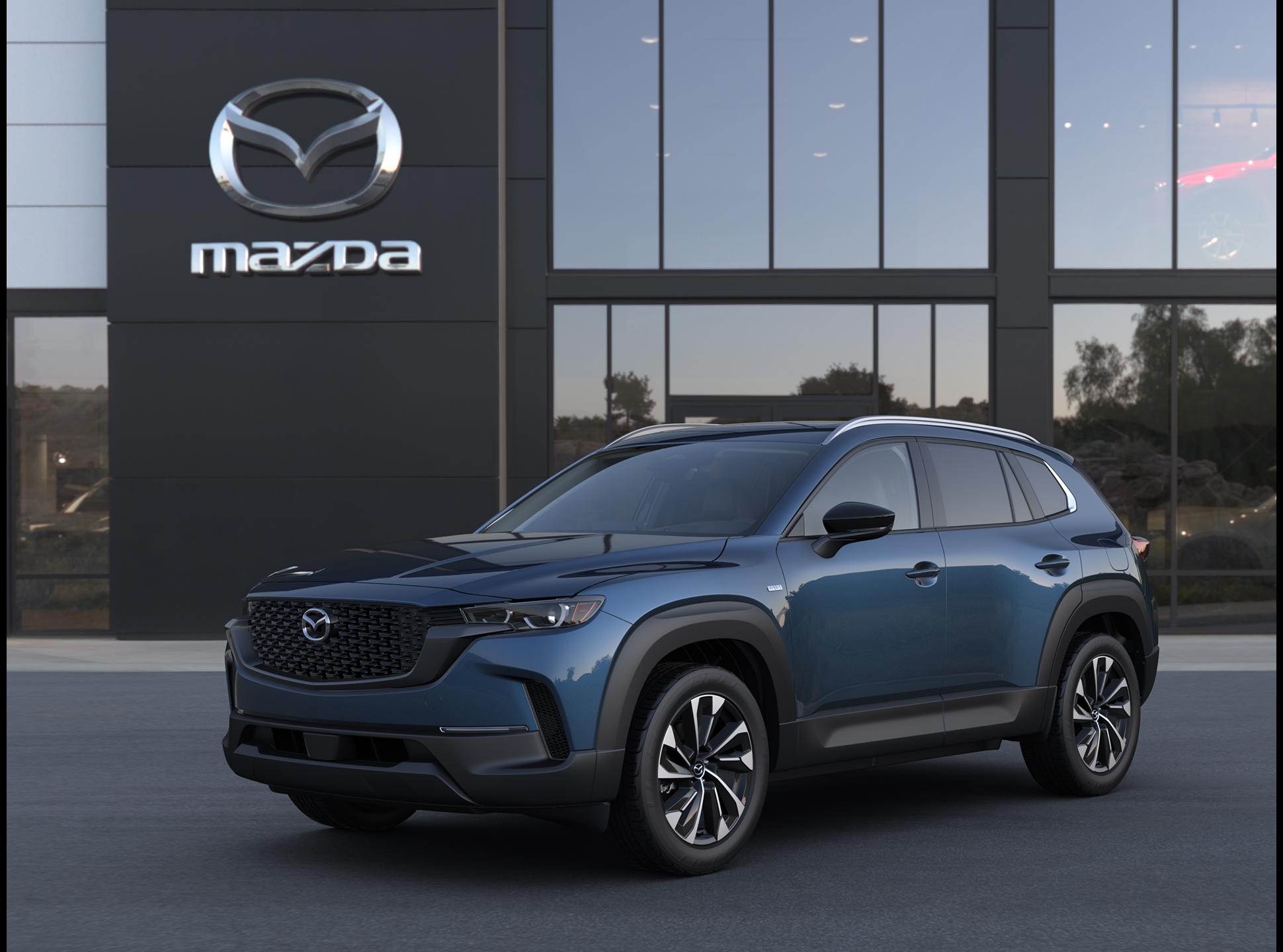
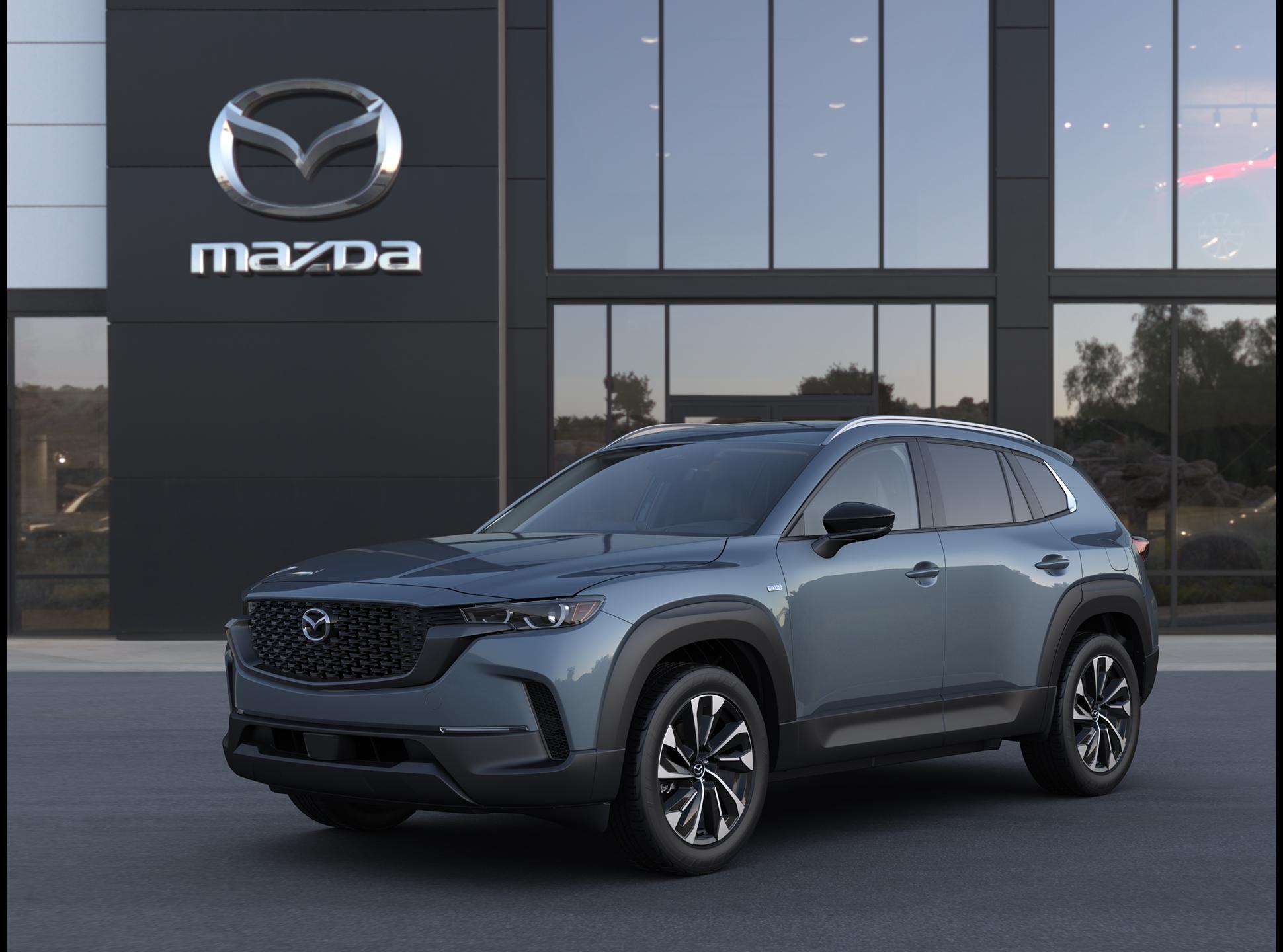

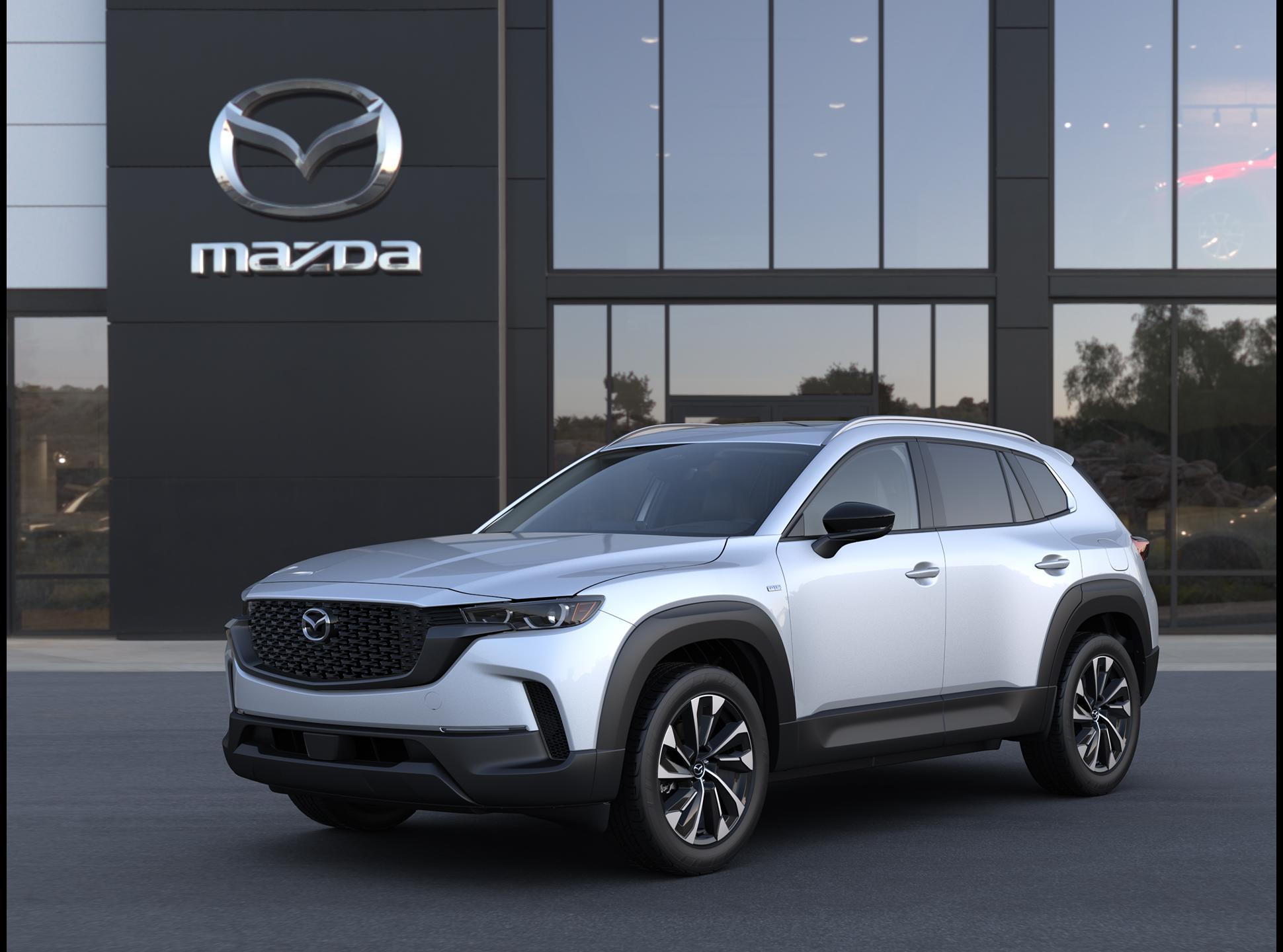
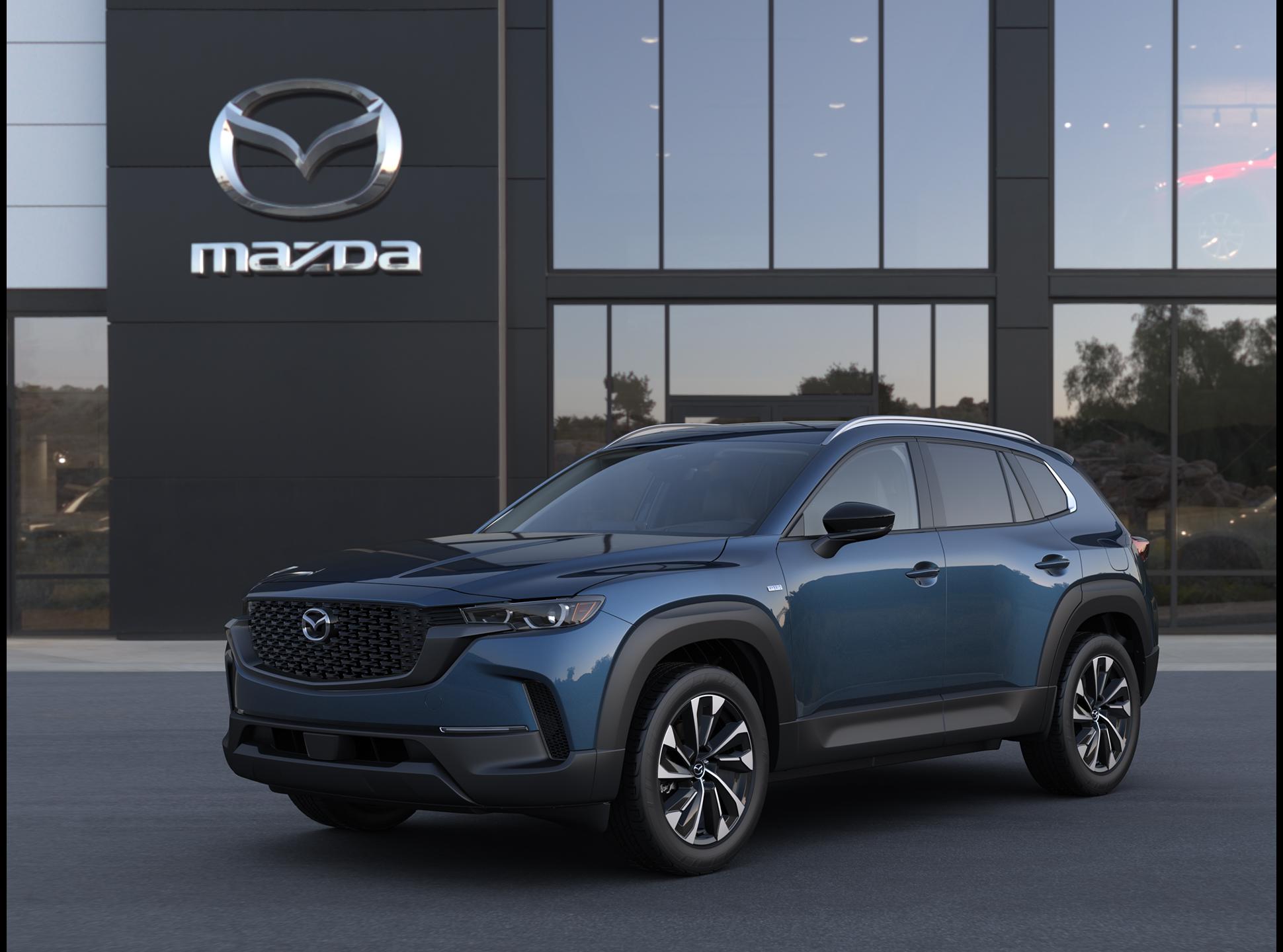
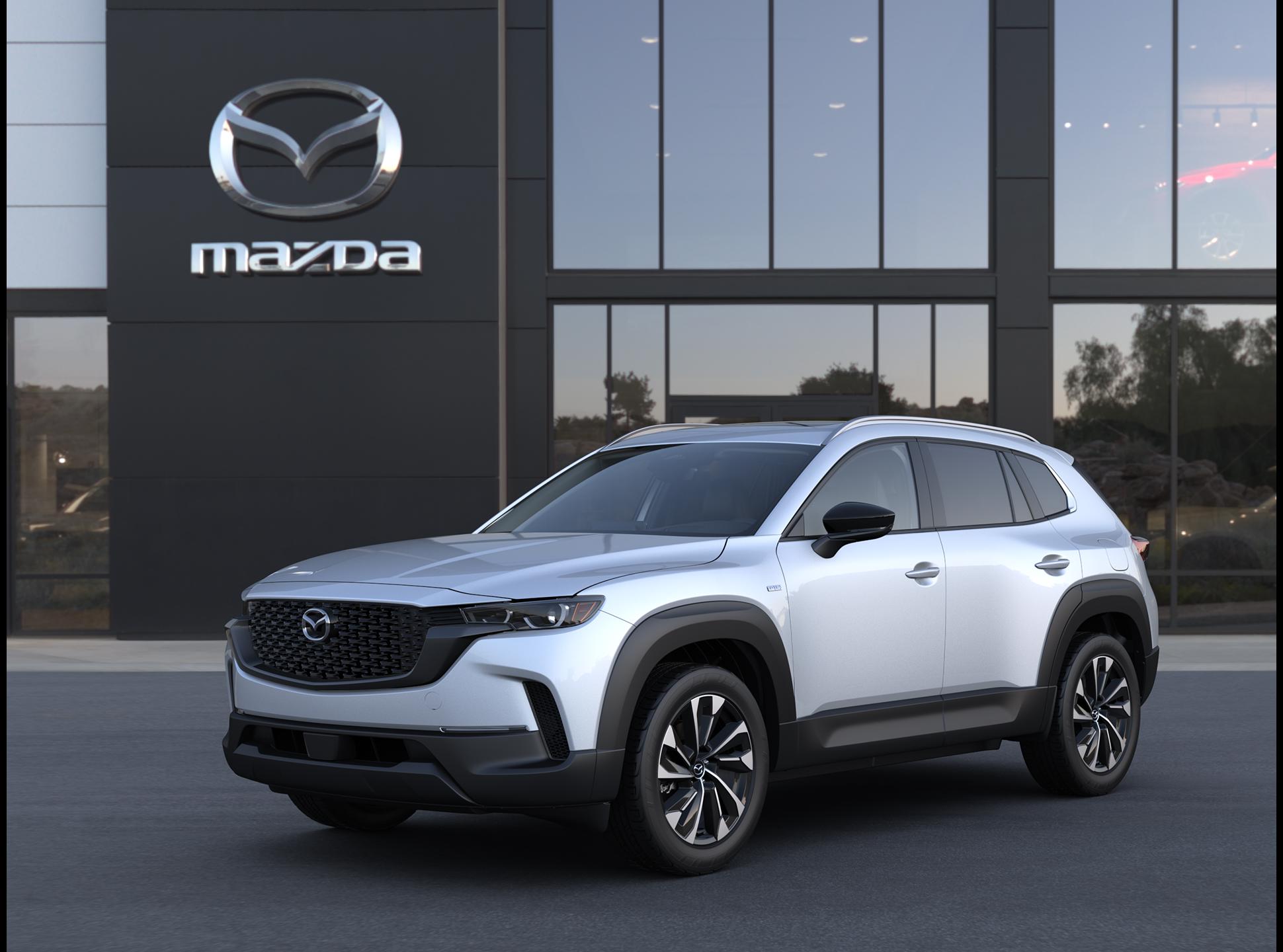
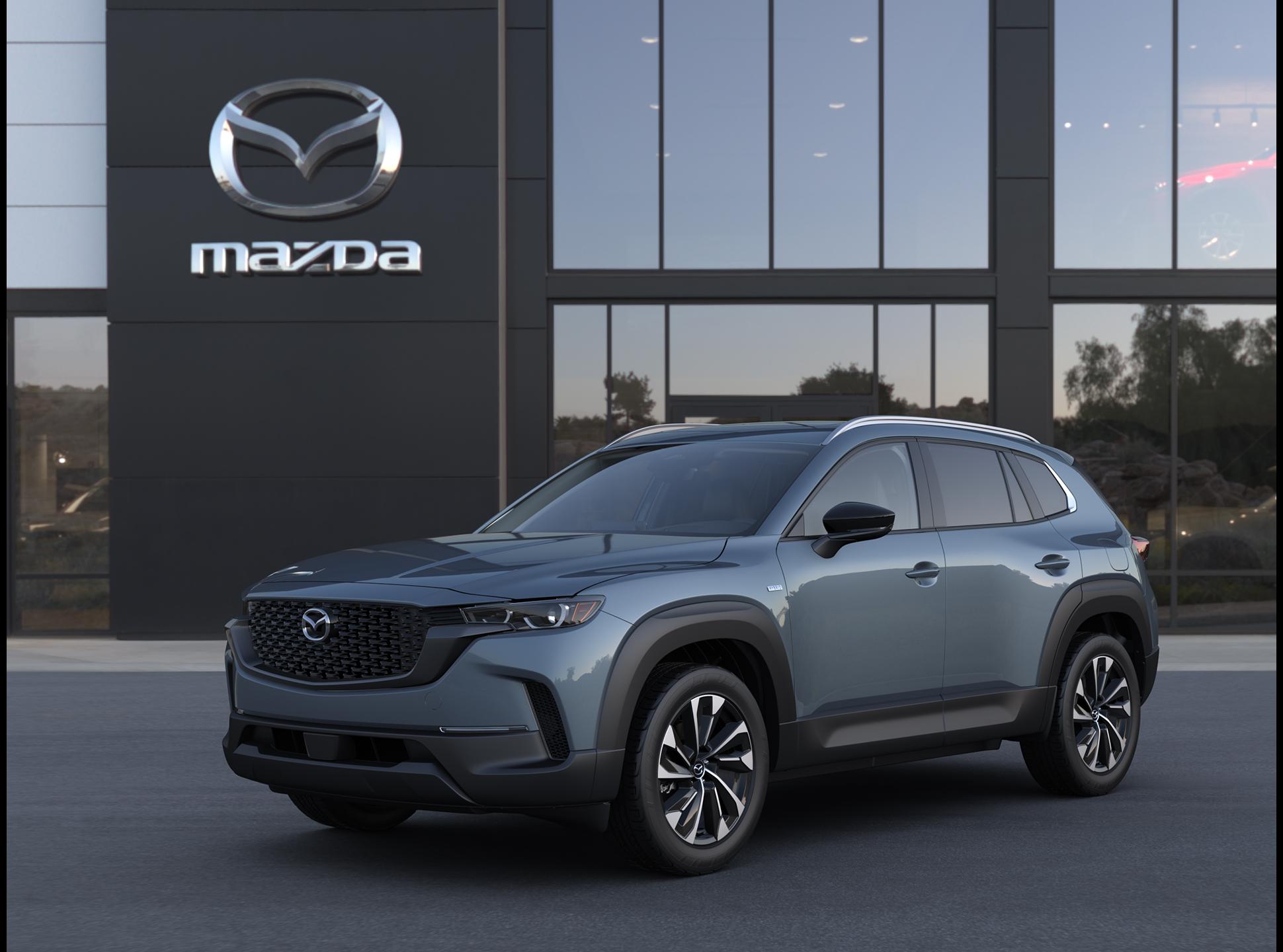
Frequently Asked Questions about New Mazda CX-50 Hybrid Lease Deals Sterling, VA
Is leasing a better route than buying on a hybrid?
For many shoppers it is, because it takes the uncertainty about future values off your plate entirely. You commit to a defined term and reassess at the end with better information than anyone has today. The tradeoff is the conditions around mileage and return state, so read those closely.
How do I know whether the hybrid or the standard CX-50 suits me?
Distance decides it. Add up a normal week honestly and the answer tends to declare itself without anyone needing to sell you on either version. We will run through that with you and say plainly if the standard car is the better fit.
Do the two versions differ inside?
They share the same cabin layout and the same cargo arrangement, so you are not giving anything up in daily practicality. The decision really is about running costs. That makes it a cleaner comparison than most shoppers expect going in.
What should I watch on maintenance if my mileage goes up?
Watch the tires. Owners who switch to a hybrid tend to drift into higher annual mileage without registering it, because the fuel stops that used to mark distance become rare. Have the geometry looked at once winter is done as well, since the local surfaces take a beating.
How can I work out whether the fuel savings are worth it for me?
Track what you actually spend on fuel and how far you go over two weeks, then bring those figures in. Real numbers from your own driving beat any estimate we could offer you. If they do not support the hybrid, we will say so.
Have Additional Questions?
Write down your fuel spending for two weeks before you come in. It settles this question better than we can.
Bring the vehicle you drive now. Under-driven cars appraise better than their owners guess.
Straight answers are the house style here, including the ones that cost us a sale.
Letting Someone Else Carry the Resale Question
The honest hesitation people have about a hybrid is not whether it works. It is what the thing will be worth in four or five years, when the technology has moved on again. That is a genuinely hard question and nobody can answer it with confidence. A lease is one of the few tools that lets you sidestep it entirely.
When you lease, the future value of the vehicle becomes somebody else's problem to forecast. You agree to a term, use the car across it, and hand it back. Should the market for used hybrids turn soft in a few years, that outcome does not land on you. Many shoppers find this the single most persuasive argument for leasing this particular vehicle.
- Leasing moves the guesswork about future values off your shoulders, which matters most on a vehicle whose technology is still evolving quickly.
- A defined term means you get to reassess in a few years with fresh information rather than committing to a decision made today.
- If you are genuinely unsure whether a hybrid suits you, a lease is the least expensive way to find out for certain.
There is a tradeoff, of course. You are agreeing to conditions around distance and the state you return the vehicle in, and those need reading properly. But for the specific worry about what a hybrid holds onto over time, leasing answers it cleanly. Understand that before you dismiss the idea on principle.
Nobody at Safford Mazda Sterling can tell you where used values land in four years, because nobody knows. What we can do is build the deal so the answer does not fall on you. That is a smaller promise than the industry usually makes and a considerably more honest one.
When the Commute Grew and the Car Did Not
A lot of the people looking at this vehicle are here because something changed at work. A job moved, an office reopened, or a hybrid schedule turned into four days in. The car that was perfectly reasonable for a short trip is now doing considerably more miles than it was chosen for. That is a very common reason to be shopping.
The vehicle you are driving now might be fine mechanically and simply mismatched to your week. It bears saying plainly, because it changes the conversation. You are not replacing something broken. You are replacing something that no longer suits the distance you cover, and the current one probably appraises well precisely because it has not been worked hard.
- A vehicle chosen for a short commute is often in excellent condition when the commute changes, which puts you in a strong trading position.
- The fuel difference matters far more once your weekly distance climbs, which is exactly why longer commutes push people toward a hybrid.
- Bringing your actual weekly mileage to the conversation lets us talk about a term that fits rather than a default one.
If your driving takes you toward the offices around Herndon and Reston most days, tell us the round trip figure. It shapes which term makes sense and whether the fuel side genuinely pays you back within it. That is a real calculation, not a sales line. Some commutes justify the hybrid comfortably and some do not, and the figure is what decides it.
Drive it over and let us appraise it properly. A car that has been under-driven for a couple of years typically carries more value than its owner had assumed.
Choosing Between the Hybrid and the Standard CX-50
This is the decision most shoppers actually arrive with, and it deserves a straight answer. The two vehicles share a shape, a cabin and a character. What separates them is fuel consumption, and how much that gap is worth turns almost entirely on the distance you cover. Everything else about them is close enough that it should not sway you either way.
For a driver covering serious weekly distance, the hybrid makes its case quickly and keeps making it. For somebody doing short local trips a few times a week, the standard CX-50 is often the more sensible buy, and we will say so. The mistake is treating the hybrid as automatically the smarter choice regardless of use.
- The hybrid rewards distance, so the more miles your week contains the sooner the difference stops being theoretical.
- Someone whose week is a handful of short errands close to home will usually find the standard car the more sensible buy.
- Both versions share the same cabin and cargo layout, so this decision is about running costs and not about giving anything up inside.
What is available in each version moves independently, and hybrid stock does not always mirror the standard car's. Tell us which you are leaning toward and we will tell you honestly what the wait would look like on each. Sometimes that alone decides it. A shopper who needs a vehicle this month is in a different position from one who can be patient until spring.
Drive both back to back if you can. The mechanical difference is easy to describe and much easier to simply feel. Ten minutes in each settles an argument that could otherwise run for weeks.
Tires, Alignment and the Miles You Are Adding
People who move into a hybrid usually start covering more distance than they used to, sometimes without noticing. Fuel stops become rarer, so the sense of how far you have gone gets a little unmoored. The tires notice even when the driver does not, and that is the maintenance item worth watching on this vehicle. It is also the one that costs you at the end of a term if it gets away from you.
Alignment is the other one. Local road surfaces take a beating through the freeze and thaw cycle every winter, and one hard pothole is enough to start an edge wearing. Catching that early is the difference between a small adjustment and a set of tires cut short. Ask about it at any visit once you are into a second winter.
- Higher annual mileage wears tires faster than most drivers expect, and rotating on schedule is the cheapest way to protect the set.
- Local roads break up badly as the ground thaws each spring, so an alignment check once winter ends is rarely wasted money.
- Uneven wear along one edge is an early warning that repays quick action, because ignoring it usually costs you the whole tire.
Tires also matter at the end of a lease term, where their condition is one of the things actually assessed. Staying on top of rotation across the term is the least glamorous way to protect yourself from a bill at the end. It works, though, and it costs almost nothing while you are already in for other service.
None of this is unique to a hybrid. It just matters more when you are quietly driving further than you used to. Watch the tires and the rest of the term tends to look after itself.
Two Weeks of Your Own Numbers Beats Our Pitch
Here is something to do before you come in. Over the next two weeks, write down what the fuel costs you and roughly how far the car goes. Not a figure from memory, the real one. Almost everybody is startled by at least one of the two.
With those two numbers in hand, the conversation about whether a hybrid is worth it stops being abstract. You can weigh a real monthly fuel figure against a real difference in what you would be paying. We do not need to convince you of anything, since your own two weeks either make the case or they do not. That is a much better basis for a three year commitment than a brochure claim.
- Tracking your actual fuel spending for two weeks replaces a guess with something you can put against a payment.
- Most drivers underestimate their weekly distance, and correcting that single assumption changes which vehicle makes sense.
- Arriving with your own figures makes for a far shorter visit, because the arithmetic is already done before anyone sits down.
Bring what you wrote down and someone will sit with you and work through it at the desk. If the numbers point at the standard CX-50, that is what you will hear. Safford Mazda Sterling would sooner you drove away in the right vehicle than the pricier one.
Two weeks of paying attention is a small ask for a decision you live with for years. Most people find it clarifies things immediately.
Keep a note of your fuel costs for two weeks, bring the figures in, and the two of us can settle whether the hybrid deserves a place in your driveway.