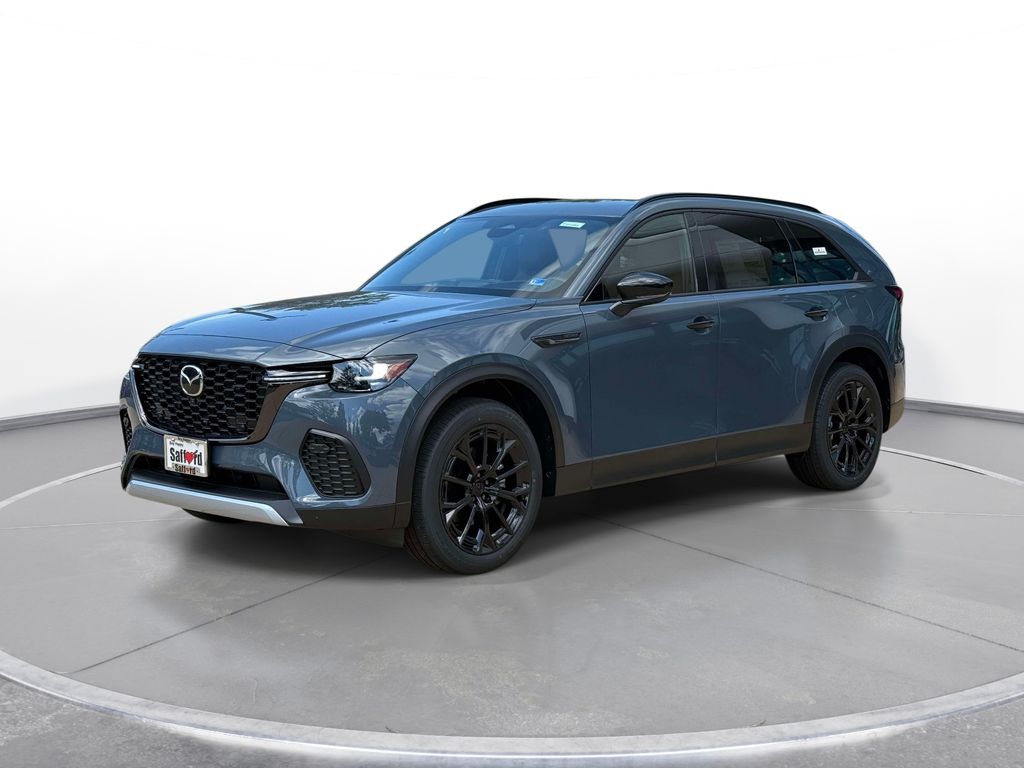

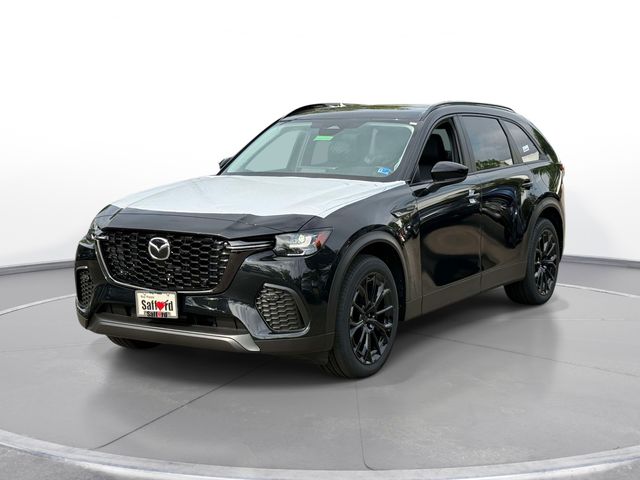


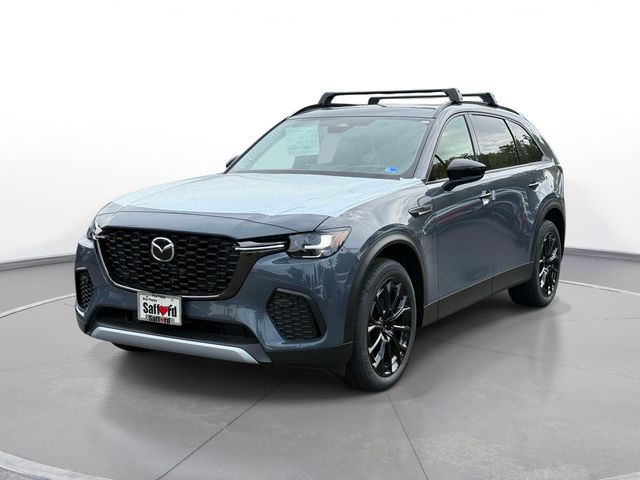

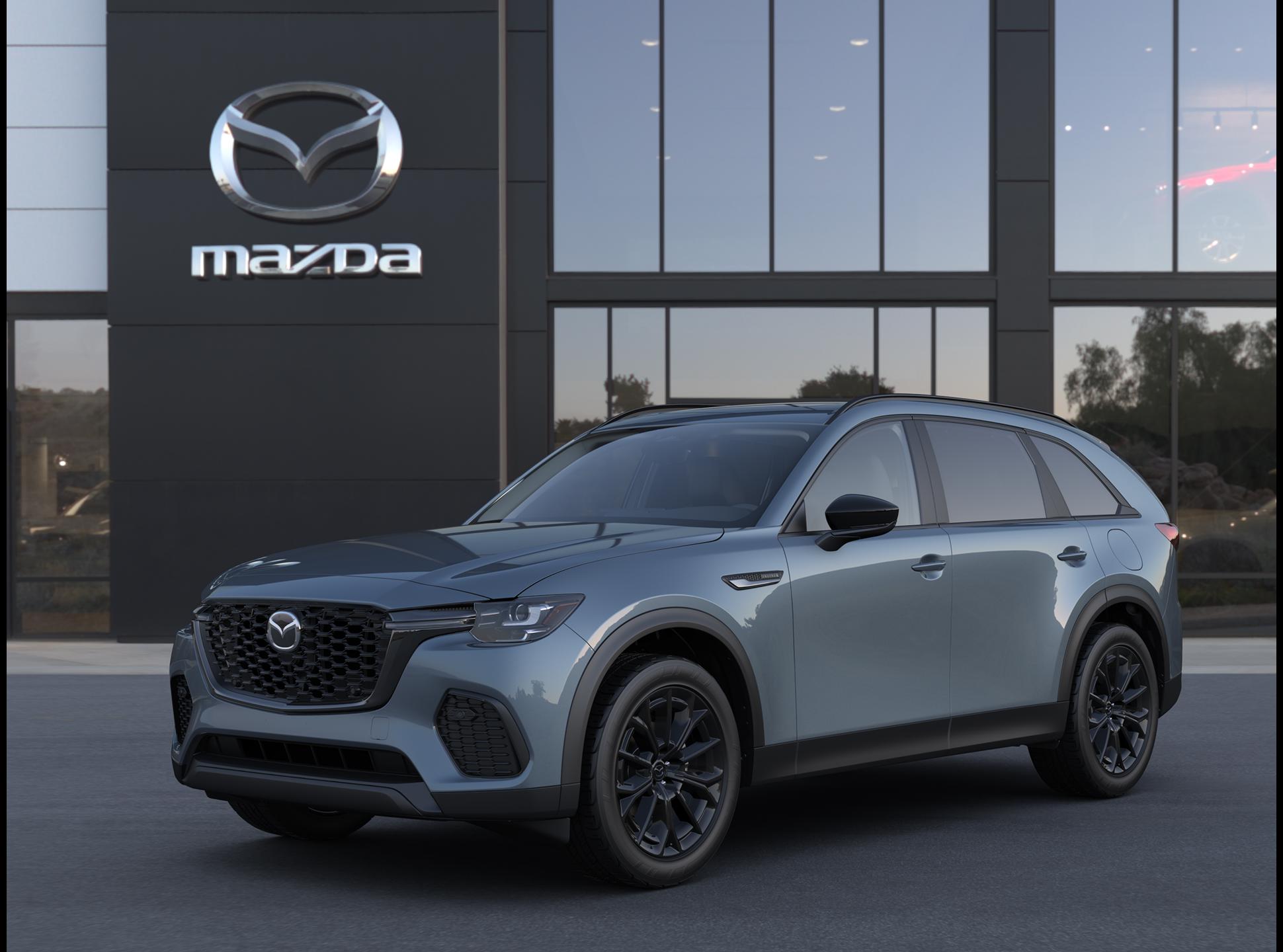
Frequently Asked Questions about New Mazda CX-70 Lease Deals Sterling, VA
Why choose a two-row midsize over a three-row SUV?
For most households the honest answer is storage. A third row spends the year folded flat in the majority of large SUVs, and all it does in that state is raise the load floor and add weight. If four passengers is your usual maximum, the two-row layout gives that space back permanently.
Is it worth waiting for a specific CX-70 configuration?
That turns on whether your combination is a common one or an unusual one. Widely ordered pairings reappear regularly and justify a short wait. Unusual color and interior pairings can take considerably longer, and you will hear plainly which of the two you are chasing.
What is the cost of exceeding my agreed distance?
You pay for the extra distance at a rate set in your agreement, so the figure is knowable from day one. Ask what yours is before you sign and write it somewhere you will find it again. Owners who know that number tend to manage their driving around it without much effort.
How do I choose a lease term length?
Ask yourself how much you can honestly predict about the next three or four years. Households in flux benefit from ending the commitment sooner; settled households usually prefer to sign once and forget about it. Your annual distance feeds into the same decision, so work the two out together at the desk.
Will four adults be comfortable on a long drive?
That is the scenario this vehicle was built around, with a rear seat sized for adults and cargo depth that keeps bags out of the cabin. The difference shows up after the first hour and never in the showroom. Bring the people who would actually be riding along and sit in it properly.
Have Additional Questions?
A specific configuration gets you a specific timeline from us, not a vague reassurance.
Sit in the rear seat with an adult ahead of you before you decide anything.
Nobody here works from a script, so ask the awkward questions.
What a Midsize Actually Solves Around Sterling
Most households that end up in a CX-70 got there by elimination. The compact crossover was fine until the third passenger became a regular thing, and the big three-row felt like more vehicle than the week justified. The midsize two-row exists precisely in that gap. It is a narrower category than people realize, which is part of why it takes a while to find.
What it solves in practice is the trip where four people and their belongings all need to be comfortable at the same time. Not a school run, where anything works, but the four hour drive where a cramped rear seat turns into a complaint by hour two. Around here that is a common enough journey that it deserves to drive the decision.
- The two-row midsize category is genuinely small, so if it is what you need the shortlist is shorter than you expect.
- The rear seat is the part of this vehicle that earns its money, because it stays comfortable on the drives where compact crossovers stop being pleasant.
- Skipping the third row hands that volume back to cargo, which pays off on ordinary trips instead of once a year when six people travel.
The vehicles that get returned early are almost always the ones bought for the trip that happens twice a year at the expense of the week that happens fifty-two times. Working out which of your journeys is the real one is the whole exercise. Safford Mazda Sterling can help you think that through without pushing you toward the larger vehicle by default.
Describe your longest regular drive, not your longest possible one. That is the vehicle you should be shopping for.
Waiting on a Specific CX-70 Versus Taking What Is Here
Every shopper reaches this fork. There is a vehicle in front of you that is close, and there is a version in your head that is exact. Whether waiting makes sense depends entirely on how far apart those two are, and once we know the specification we can answer that honestly.
Some combinations turn up regularly and some are genuinely uncommon. If what you want is a widely ordered pairing, waiting is usually short and reasonable. If you have landed on a scarce color with a particular interior, be prepared for that to take real time. Knowing which situation you are in changes whether patience is a virtue or just a delay.
- Common configurations reappear frequently, so a short wait is a fair trade when the car you are looking at falls slightly short.
- A scarce color and interior combination can take considerably longer, and it is better to hear that plainly than to discover it month by month.
- Being flexible on one item, usually the exterior color, opens up the field dramatically without changing how the vehicle drives at all.
Tell us the specification you have settled on and we will tell you whether that is a two week conversation or a much longer one. Safford Mazda Sterling would rather set the expectation correctly than let you sit on a list wondering.
Waiting for the right vehicle is fine. Waiting without knowing how long is what wears people down. Ask for the timeline in weeks and you will find the wait much easier to sit through.
Checking Your Mileage Halfway Through
Here is a habit almost nobody has and everybody should. Somewhere near the midpoint of your term, check the odometer against the allowance you agreed to. Half a minute of arithmetic is the best protection available against an unpleasant final month.
If you are running ahead, you have options while there is still time to use them. Adjusting how you use the vehicle, planning around the overage, or in some cases restructuring before the end. If you wait until month thirty-four to discover you are well over, those options have mostly closed. The arithmetic is not complicated, it just needs doing early.
- Checking your odometer against the allowance at the midpoint gives you a warning early enough to act on, which is the whole value of doing it.
- Running ahead of your allowance is manageable when caught early and expensive when discovered in the final weeks of a term.
- Households whose driving habits changed mid-term are the ones this catches, and that describes more people than you would guess.
The drivers this catches out most often are the ones whose commute changed after signing. A new job toward the corridor along Route 28 can quietly add thousands of miles a year without feeling like a change in routine. Worth a look at the odometer either way. It takes less time than reading this paragraph did.
Set a reminder for the halfway point. It is the cheapest insurance available on a lease and it costs you nothing but a glance.
How the Term Length Changes Everything Else
Term length gets treated as a detail and it is really the central decision. It determines how long you are committed, how the monthly figure lands, and how much of the vehicle's usable life you are paying for. Choosing it first and building the rest around it produces a much better outcome than the reverse.
A shorter term keeps you flexible and gets you into something new sooner, which suits a household expecting change. A longer term spreads things differently and suits someone whose circumstances are settled. Neither is the correct answer in general. The correct answer depends on how confident you are about the next few years.
- A shorter term suits households that expect their circumstances to shift, because it keeps the next decision close at hand.
- A longer term makes more sense when your life is settled and you have no appetite for repeating this process soon.
- The term you choose interacts with your mileage allowance, so settle those two together and one will not quietly undermine the other.
We will go through what each option means in your particular case. Come with an idea of your yearly distance and a sense of how much upheaval the next few years might hold, and the right term generally announces itself inside a few minutes. Nothing about this is universal; it depends on your circumstances.
Decide the term first. Everything else on the agreement follows from it more than most people realize. Working the other way round is how shoppers end up with a payment they like attached to a commitment that does not suit them.
Four Adults, Their Luggage, and a Long Drive
The CX-70 was designed around a scenario a lot of vehicles handle badly. Four adults, a week's worth of bags, and enough hours in the seat that comfort becomes a real factor. It is a harder problem than it sounds, because most vehicles that carry four adults well run out of cargo space, and most that carry the luggage make the rear seat an afterthought.
The rear seat here is built for grown adults, not merely tolerant of them, and the cargo area behind it is deep enough that nothing needs to ride in a lap. That pairing is the entire reason to pick this over something a size down. Four hours in, it decides whether you get out stiff.
- The rear seat is genuinely sized for adults, which is what separates this from a compact crossover on any drive longer than an hour.
- Cargo depth behind the second row means a full set of luggage fits without anything migrating into the cabin with the passengers.
- Cabin quiet at highway speed is what makes a long drive tolerable, and it is the feature you appreciate most on the way home.
If a trip like that is in your calendar, bring the people who would be in it. A rear seat feels very different with someone actually sitting in it than it does empty in a showroom. Teenagers in particular have opinions worth hearing before you commit to three years of driving them around.
Vehicles get judged on the showroom floor and lived with on the highway. Judge this one on the second. The rear seat is where the money went and it deserves an occupant during the drive.
Describe the specification you have settled on and say how patient you are prepared to be, and someone will tell you frankly whether those two things line up.