
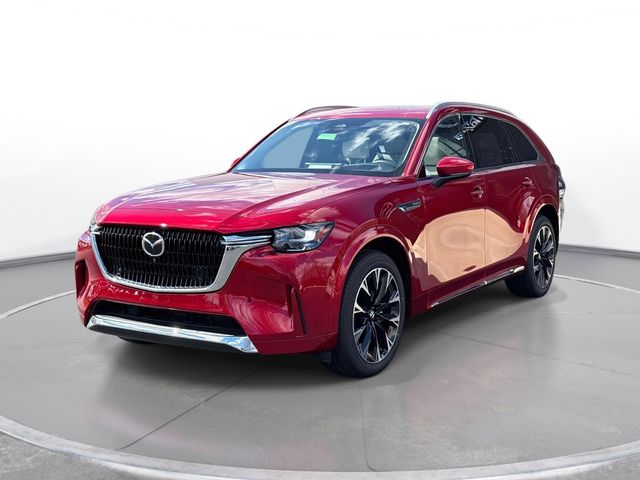


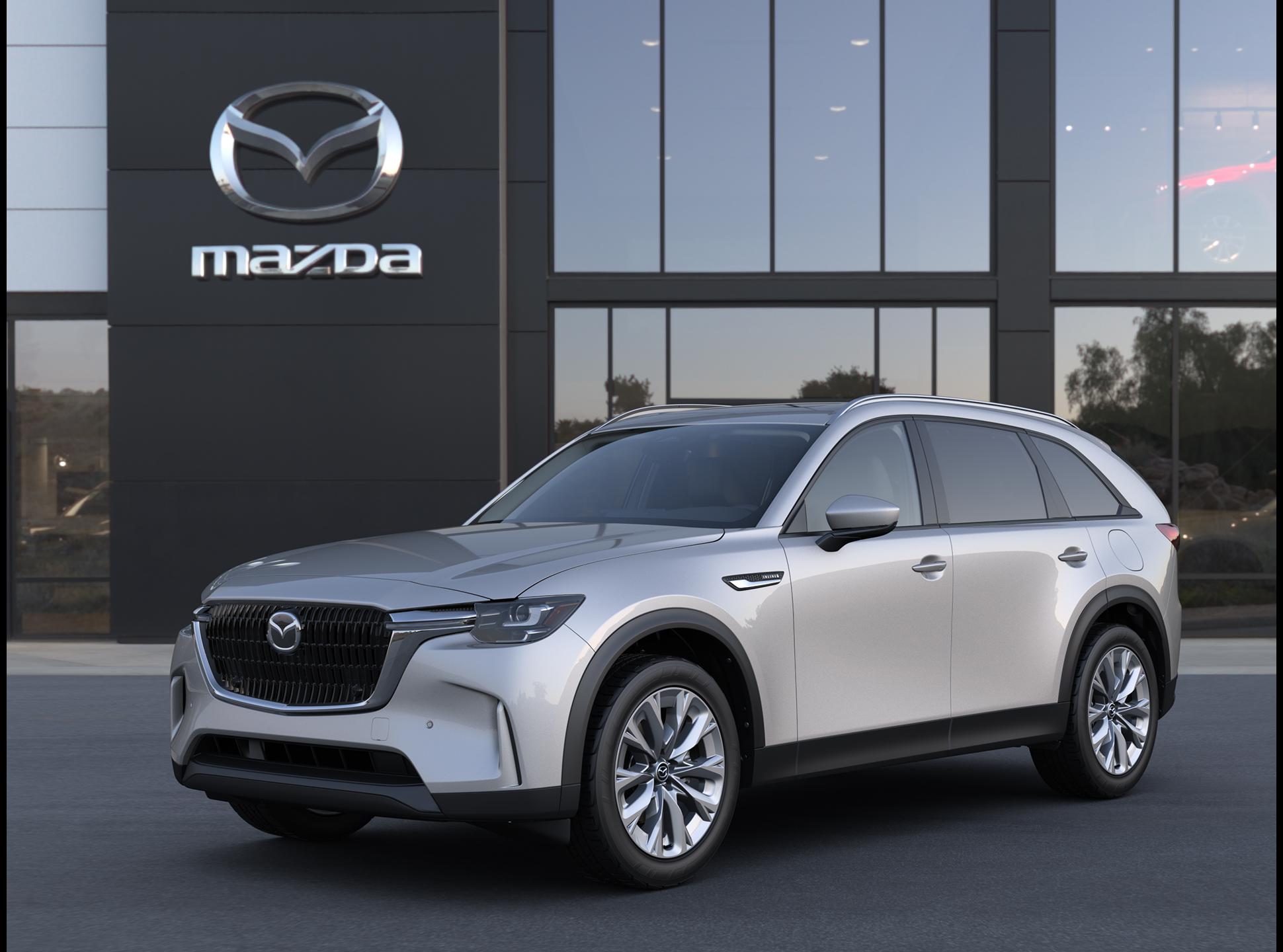

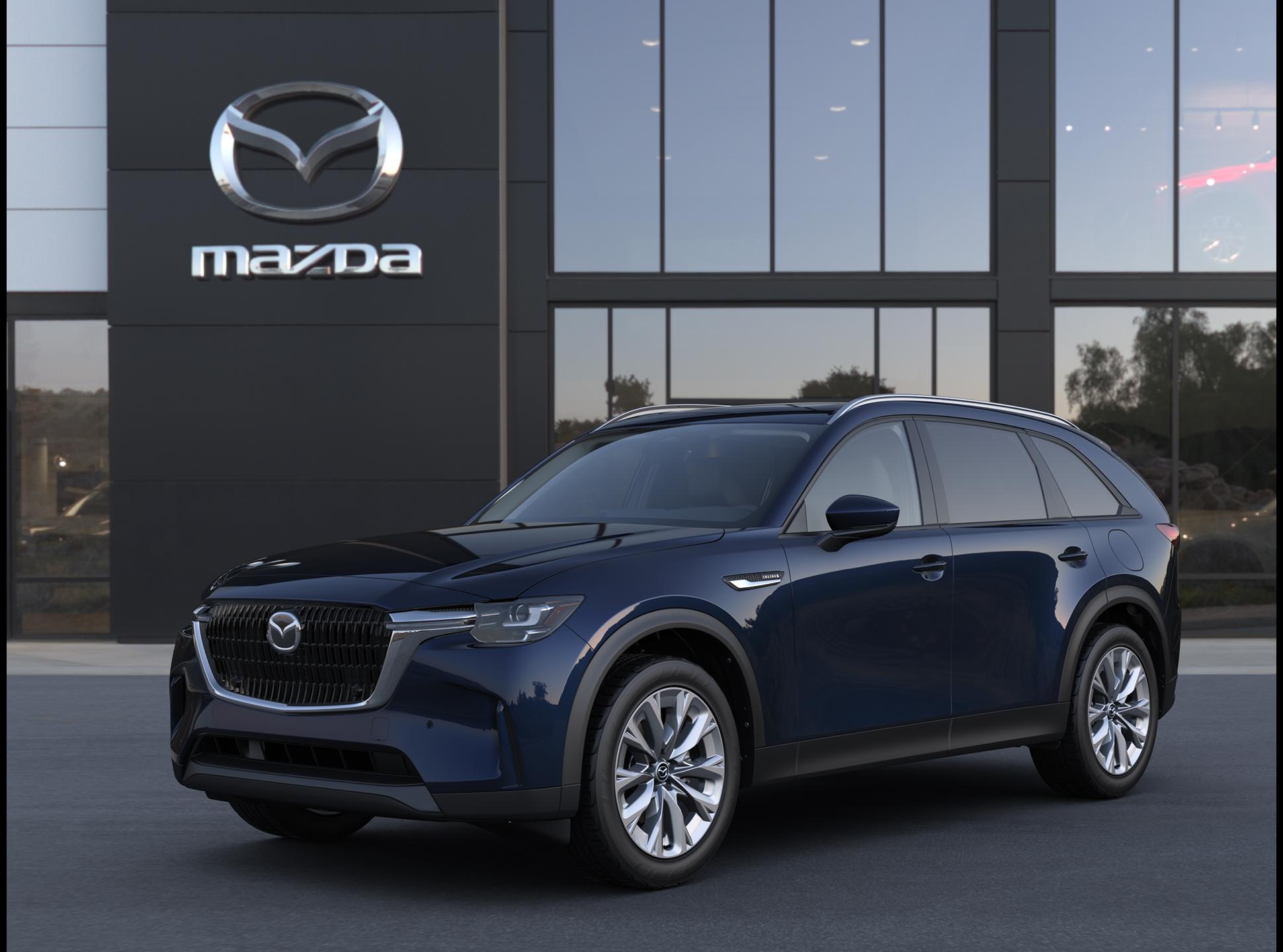
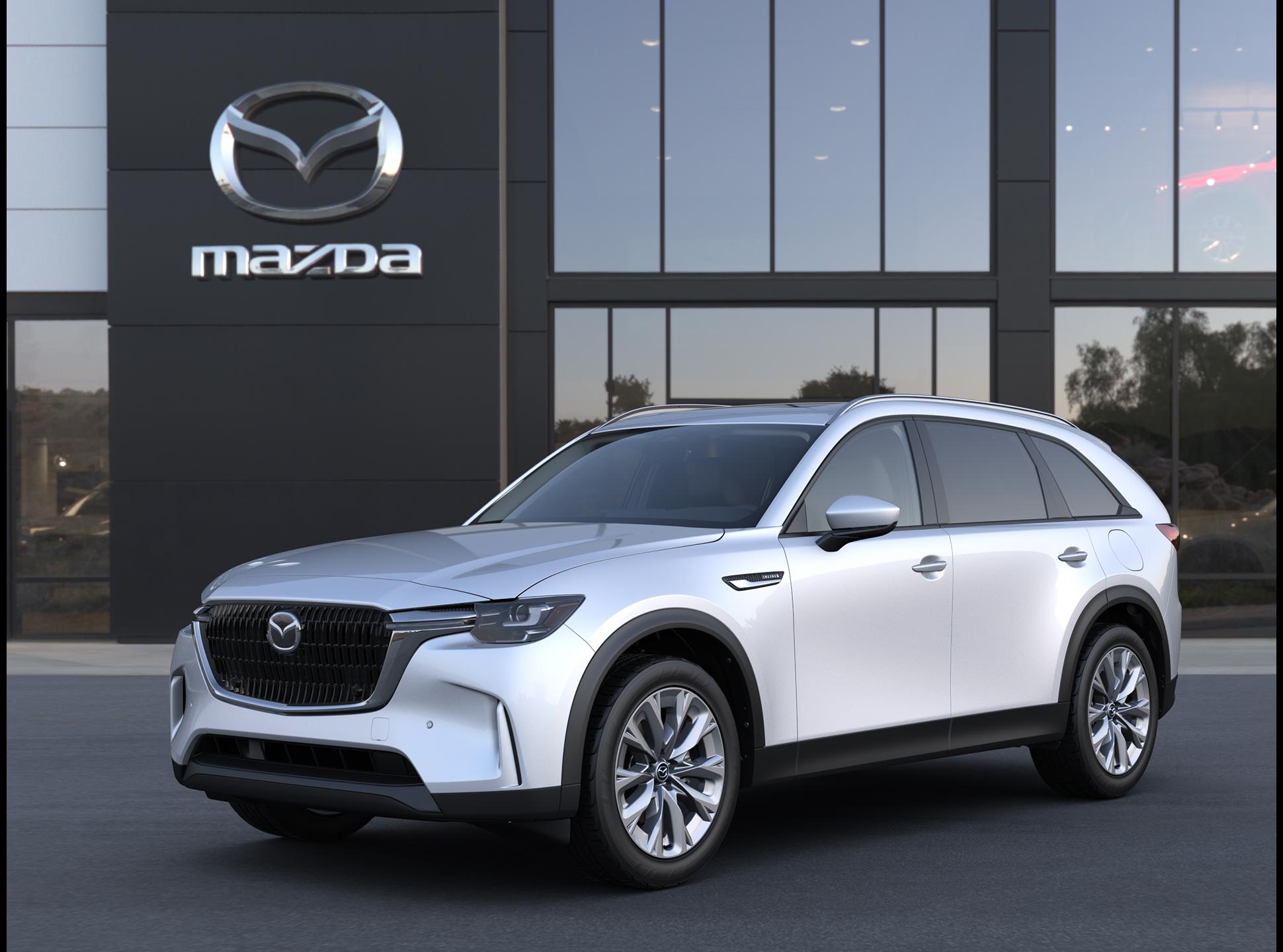
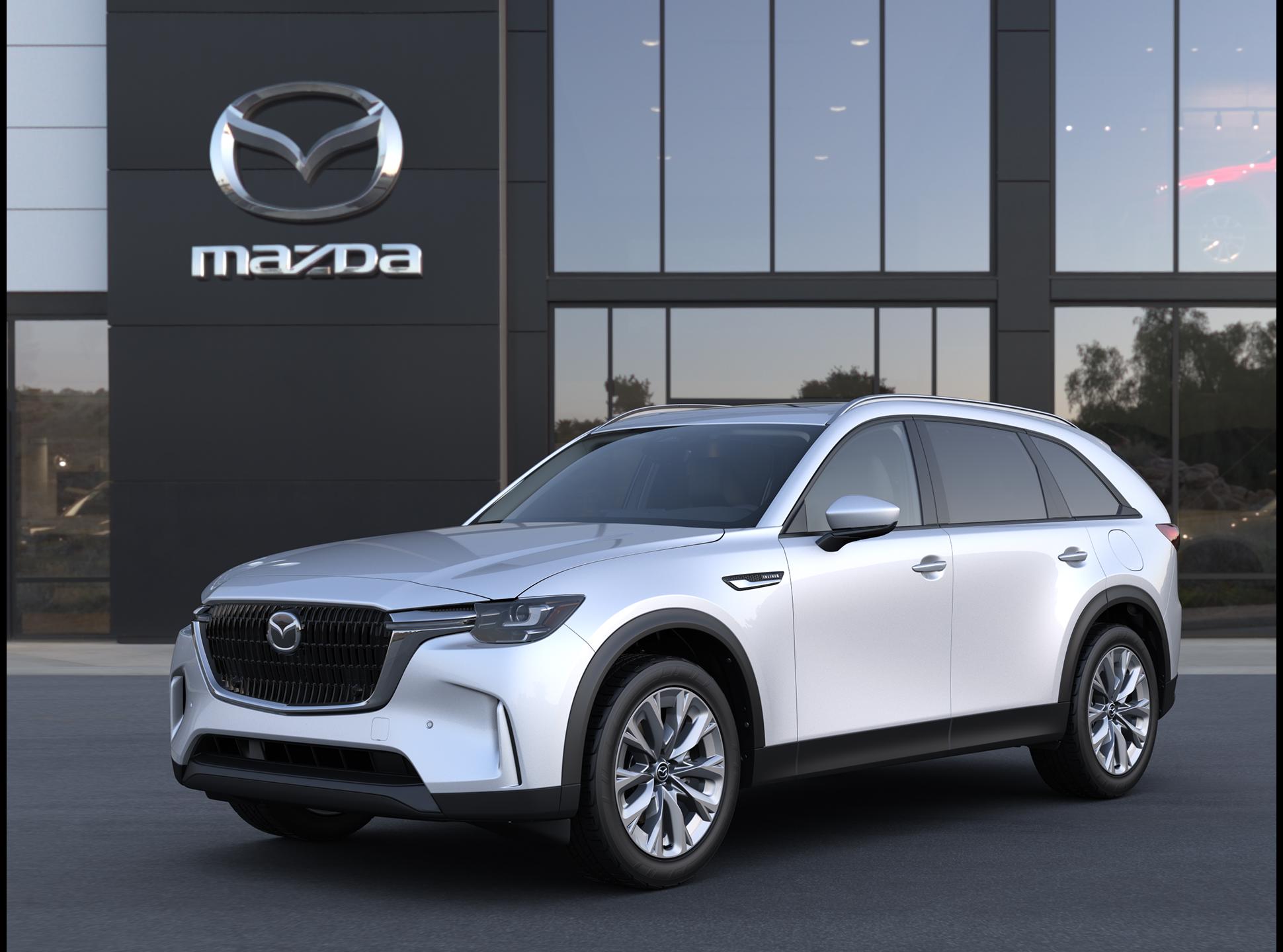


Frequently Asked Questions about New Mazda CX-90 Lease Deals Sterling, VA
How quickly do popular CX-90 configurations get claimed?
The combinations everybody asks for can move within days of arriving. Anything unusual tends to sit longer, which quietly hands you time and a calmer conversation. Let us know your preference well ahead of the day you need something and we will contact you when the right one turns up.
Is there real cargo space with the third row in use?
Yes, and that is the measurement to take seriously on any seven-seat vehicle. Plenty of large SUVs leave little more than a shelf once the rearmost seats are occupied. Bring a case along and try loading it while you are here, because the answer differs a lot between vehicles that look identical on paper.
Should I buy the optional coverage products offered with a lease?
It depends what you already hold. Call your insurer before you come in and find out what your policy covers, then you can judge each product on its merits at the desk. Declining all of them is a perfectly normal outcome and nobody here will make it awkward.
Is a trade possible when the current vehicle is not paid off?
Certainly, and most families in this position are. Phone the lender for a current payoff figure before the visit, which takes a few minutes and saves a second trip. Set that beside an appraisal and the decision usually makes itself.
What should I expect on delivery day?
Ask for enough time to go through the vehicle properly, not a rushed handover. Setting up driver profiles, pairing phones and having the safety systems explained takes about an hour and saves months of small annoyances. A quiet weekday afternoon suits this far better than a busy weekend.
Have Additional Questions?
Colors move quickly on three-row vehicles. Tell us yours early and we will watch for it.
A payoff quote from your lender saves you a second visit.
Handovers on a quiet weekday go far better than handovers on a Saturday.
Which CX-90s Move Before Anyone Sees Them
Three-row SUVs do not sit around, and the CX-90 is no exception. Certain configurations are spoken for before they have been properly cleaned, while others wait a while for the right household to walk in. Knowing which category your preference falls into is the difference between a short search and a frustrating one. It also decides whether you should be patient or ready to move the same week.
As a rule, the popular exterior colors paired with a light interior move fastest, and the more unusual pairings sit longer. That is not a judgment about which is better. It just means that if your heart is set on the common combination you should be ready to move quickly, and if you have unconventional taste you can afford to be patient.
- Widely requested color and interior pairings tend to be claimed quickly, so a shopper set on one should be ready to decide the same week.
- Less common combinations stay available longer, which gives shoppers with particular taste room to take their time and negotiate calmly.
- Telling us your preference in advance means we can flag the right vehicle the day it lands, before anybody else has walked past it.
Sensible shoppers tell Safford Mazda Sterling what they are hunting for well before they are ready to sign. It costs nothing and puts you in front of everyone who starts looking the week they need a vehicle. A note now beats a scramble in six weeks.
Three-row shopping rewards preparation more than any other segment. The people who get exactly what they wanted usually started the conversation a month early. The people who settle usually started the week they needed a vehicle.
Cargo Behind the Third Row, and Why It Matters
Most three-row reviews talk about how easy the rearmost seats are to reach and then stop. The more useful question is what remains behind those seats once someone is sitting in them. That is where a lot of large SUVs quietly fail, leaving you a shelf where a cargo area should be.
The CX-90 keeps genuine depth back there, which is the difference between a full vehicle being usable and being a game of luggage arithmetic. Anyone who has done an airport run with six people has met this problem. Bags end up on laps, in footwells, and wedged against the tailgate glass.
- Usable depth behind the third row is what separates a genuinely seven-seat vehicle from one that seats seven only when nobody brings anything.
- Loading your own luggage with every seat occupied is the only fair version of this test, and it takes about two minutes.
- A tailgate opening at a sensible height saves your back on every single loading trip, which adds up over a week away.
For households doing regular runs out to Dulles International, this is not a theoretical concern. Six people and six bags is a real configuration, and plenty of large SUVs cannot manage it without somebody holding something for an hour. Safford Mazda Sterling sees that scenario constantly given where we are, so test it and do not assume.
Bring a suitcase when you come. It takes two minutes and answers a question that specifications sheets consistently obscure.
Coverage Products, and When to Say No to Them
At some point in a lease conversation you will be offered a set of optional coverages. Some of them genuinely earn their place on a vehicle like this. Others do not, depending entirely on how you drive and what you already have in place. Nobody benefits from you buying all of it out of politeness, least of all us three years from now.
The one to understand properly is gap coverage, which addresses the difference between what a vehicle is worth and what is owed if it is written off. On a leased vehicle that gap can be real, and many lease agreements already include something along those lines. Ask whether yours does before you buy it separately. Duplicating coverage you already hold is a common and avoidable waste.
- Check whether your agreement already carries gap protection before buying it a second time, because the duplication is common.
- Tire and wheel coverage makes more sense for drivers on rough surfaces than for someone doing gentle suburban miles.
- Your existing insurance may already cover part of what is being offered, so a call to your agent before signing is time well spent.
We will explain what each one does and where it stops, then let you decide. A declined product is not a failed conversation. Somebody who understands what they bought is a far better customer three years from now. That is not a sales philosophy so much as basic arithmetic about repeat business.
Carry the paperwork home overnight if you like. Anything that cannot survive a careful reading at the kitchen table did not deserve your signature.
Trading When You Are Only Halfway Through a Loan
A lot of families need a third row before their current loan is anywhere near finished. That is an extremely normal situation and it does not have to stop anything. It does need working through carefully, and hope is not a method.
The question is straightforward: what the vehicle is worth against what is still owed on it. If the appraisal comes in above the payoff, the difference works in your favor. If it lands below, you have a decision to make about carrying that forward or waiting. Either way you want the actual figures in front of you, not an assumption.
- The appraisal and the payoff figure need seeing side by side, because everything about your options follows from the gap between them.
- Vehicles that have been well maintained and driven modestly often close that gap faster than their owners expect.
- Getting the numbers now costs you nothing and tells you whether to act this month or revisit it next year.
Bring the loan details along with the vehicle and we can put the whole picture together in one visit. Guessing at a payoff figure is the thing that sends people home to start over. Two documents avoid it entirely. Your lender can usually supply a current payoff quote over the phone in a few minutes.
Being mid-loan is not a barrier, it is just a variable. Plenty of families in a CX-90 got there from exactly this position. What sinks the conversation is guessing at the numbers instead of collecting them.
Spending an Hour on Delivery Day Instead of Ten Minutes
A vehicle this size has more going on inside it than most people can absorb while paperwork is still being finished. Delivery day is usually rushed for no good reason, and the result is an owner who is still finding features in month four. It does not need to go that way. The vehicle is already yours at that point, so nothing is gained by hurrying.
Set aside proper time and go through the setup deliberately. Driver profiles for each person who will use it, seats positioned and stored, phones paired, the safety systems explained out loud. An hour spent then saves a surprising number of small frustrations later.
- Setting up a driver profile for each person means nobody spends the next three years adjusting the seat before every trip.
- Having somebody talk you through the safety equipment inside the car is the only way most owners ever learn what it does.
- Pairing every phone in the household on day one prevents the recurring argument about whose device is connected.
Ask us to schedule the handover when we are not stacked up, and bring whoever else drives it. A quiet weekday afternoon works far better for this than a busy Saturday, and it costs you nothing to request. The vehicle is not going anywhere, so there is no reason to rush the one hour that shapes how you use it.
You will spend years with this vehicle. Spending one unhurried hour learning it at the start is an unusually good trade. Almost nobody regrets it and almost everybody who skipped it wishes they had not.
Give us the color and interior you are hoping for before you are ready to sign, and you will hear from us the day the right CX-90 arrives.