
Frequently Asked Questions about New Mazda3 Hatchback Lease Deals Sterling, VA
How do I keep the cargo area in good condition on a lease?
A liner across the load floor and a guard over the loading edge covers almost all of it, and neither costs much. Get them in on day one, because the marks accumulate gradually and you stop noticing. Ask us to walk you through the turn-in standards at signing so you know what is being measured.
Is the hatchback genuinely more practical than the sedan?
More flexible, certainly, with a bigger opening and one continuous space behind you. Be honest with yourself about whether that is why you want it though, because for most buyers the shape came first. Both motivations are fine and they point at the same car anyway.
Why does the hatchback seem to come in higher specifications?
Demand from this body style skews upward, so that is what gets built and shipped. A more basic hatchback exists and simply takes longer to find. Tell us your ceiling and we will say honestly how long that hunt is likely to run.
I am downsizing from a larger SUV. Will it appraise well?
Usually better than expected, especially where the mileage tailed off once the vehicle stopped being needed. Light recent use, a tidy interior and a consistent service record all count for something. Finding out the number carries no obligation whatsoever.
What should I do on the test drive?
Skip the highway loop and do an ordinary afternoon instead. Park it in a tight space, load something into the back, and reverse out with someone walking behind you. Rear visibility divides opinion on this car, so form your own view rather than relying on a review.
Have Additional Questions?
Get the turn-in standards explained at signing. Discovering them three years later is the expensive route.
Whatever you haul weekly should go in the back during the drive.
Rear visibility divides people. Form your own view in the driver's seat.
Keeping the Back of the Car From Looking Beaten Up
The one part of a hatchback that reliably shows its age is the cargo area. Everything you carry goes in over the same lip, slides across the same floor, and knocks against the same side panels. Three years of that leaves marks unless you get ahead of it. Nobody notices the damage accumulating because it happens a scratch at a time.
This matters on a lease specifically, because the condition you hand the vehicle back in gets assessed, not shrugged at. A scuffed load floor and a scratched sill are the sort of thing that gets noted. Both are almost entirely preventable with one cheap piece of equipment and a small habit.
- A fitted cargo tray takes the abuse that the load floor would otherwise absorb, and it costs a fraction of what the damage would.
- The loading sill is where most of the visible scratching happens, so anything protecting that edge earns its money quickly.
- Wear in the cargo area is assessed at the end of a lease, which makes prevention considerably cheaper than the alternative.
Ask us what the standards actually look like at turn-in. There is a real difference between normal use and damage, and knowing where the line sits removes a lot of vague anxiety. Most people find it more reasonable than they had feared. Safford Mazda Sterling goes through it with you at signing, so it is not something you discover at the end.
Protect the back of the car on day one and you will not think about it again. Leave it and you will think about it in month thirty-five. One of those is a small purchase and the other is a conversation at a counter.
People Buy This One For the Way It Looks
Let us be straightforward about something. Most people choosing the hatchback over the sedan are not doing it because they did the cargo arithmetic. They are doing it because of the shape, and the cargo space is a justification they discovered afterward. There is no need to be embarrassed about that.
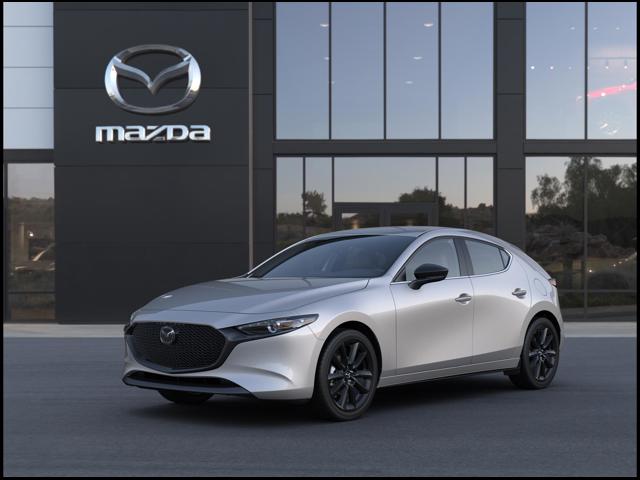
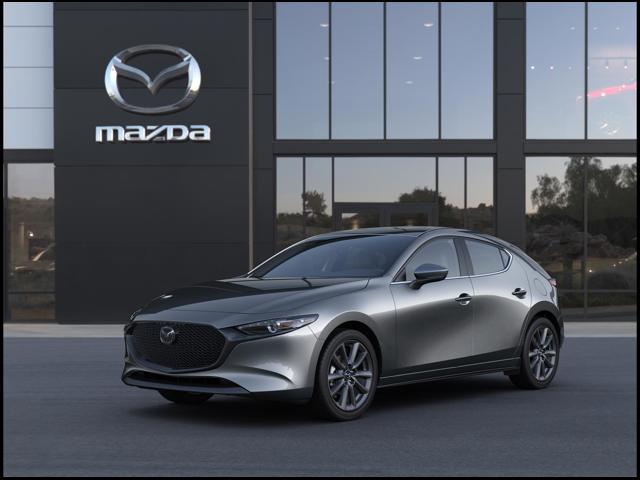
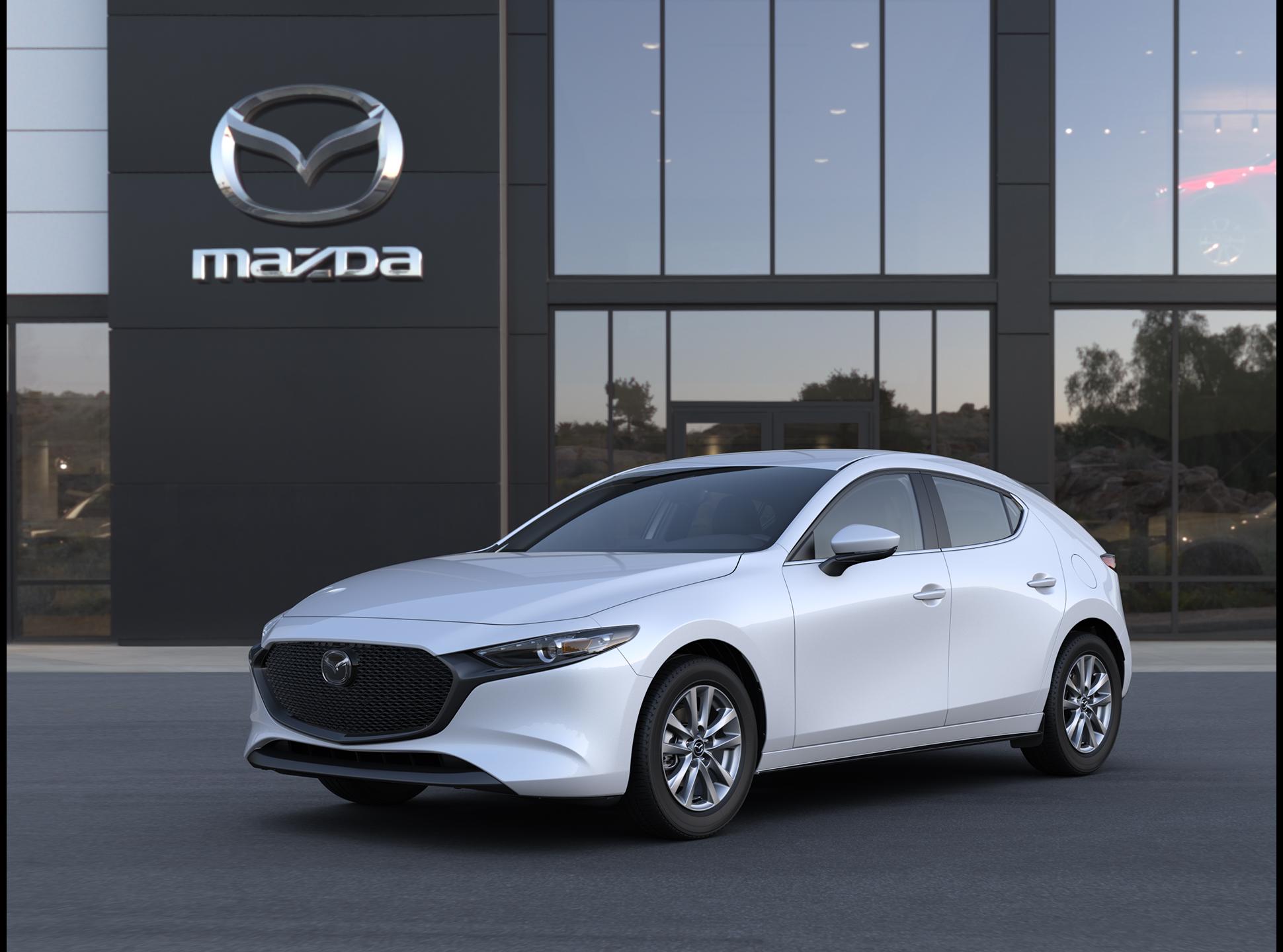
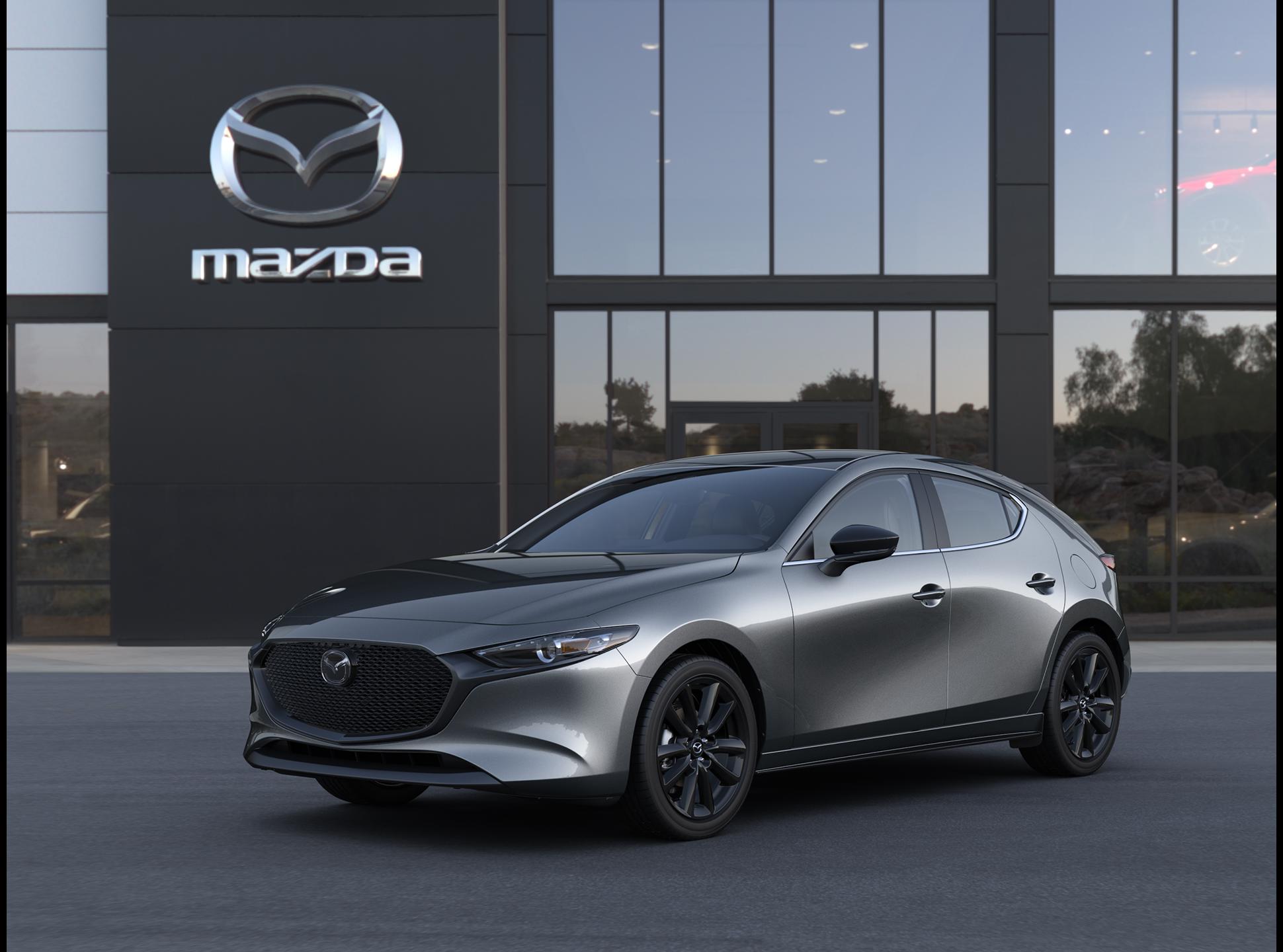
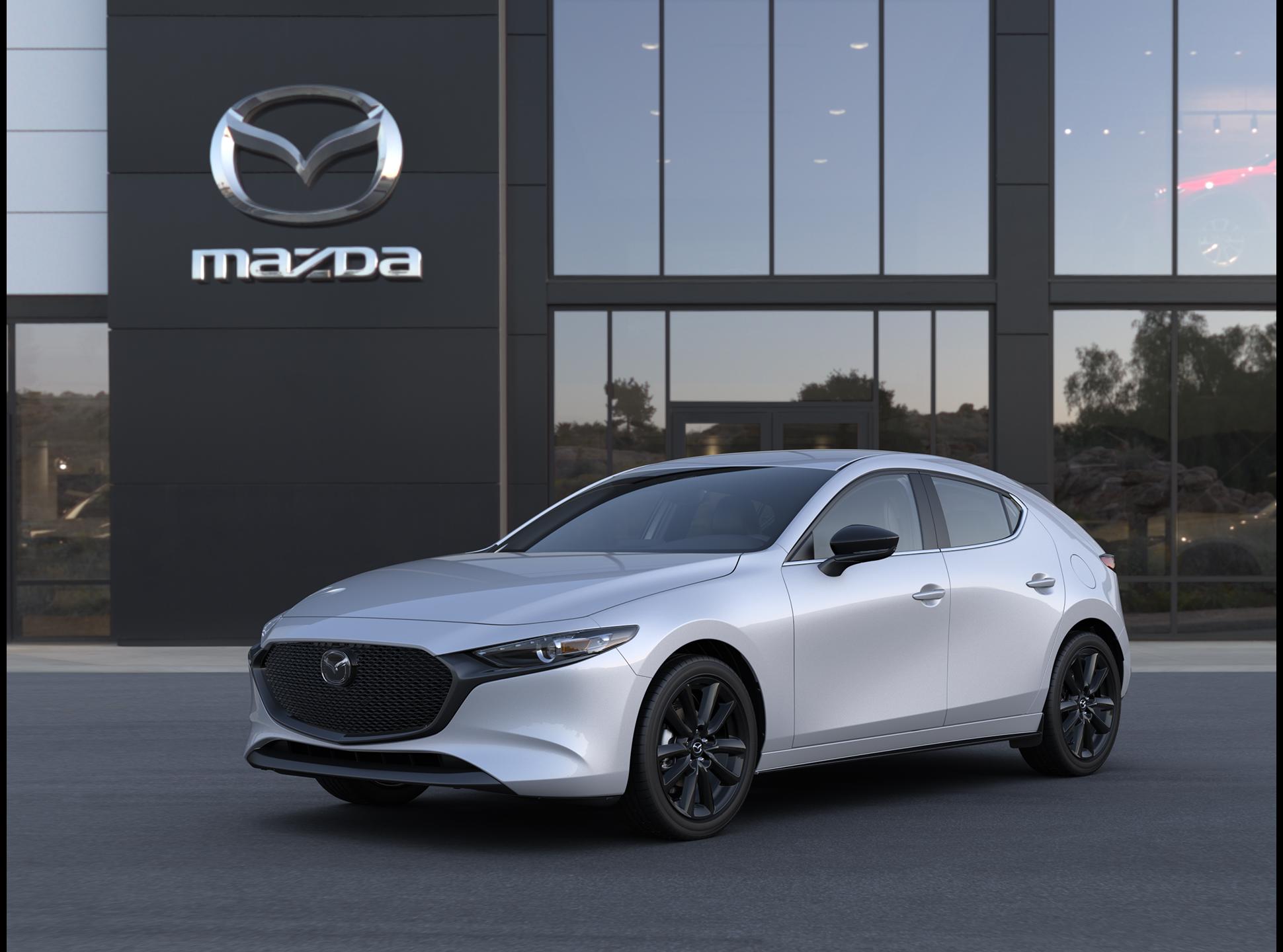
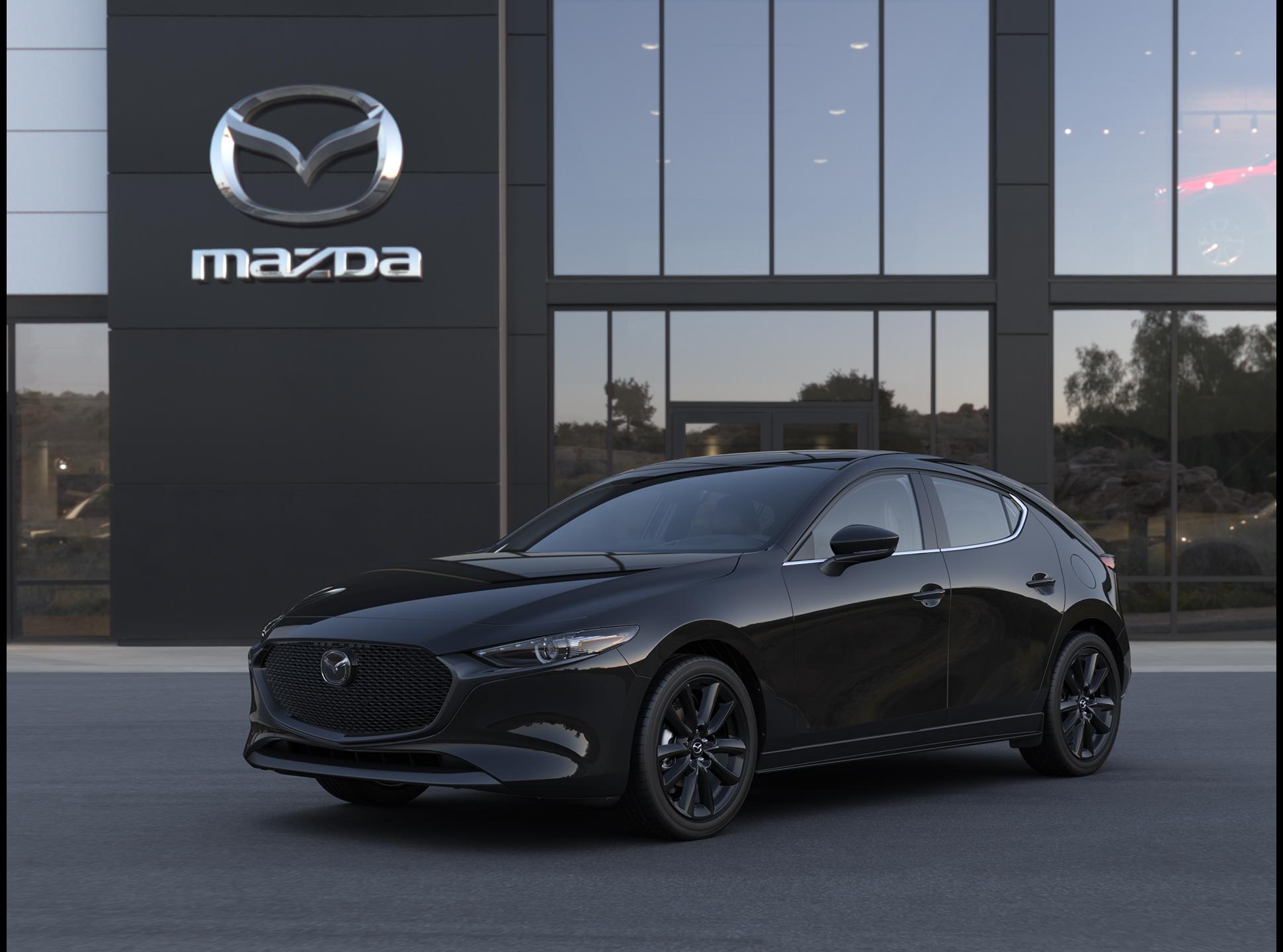
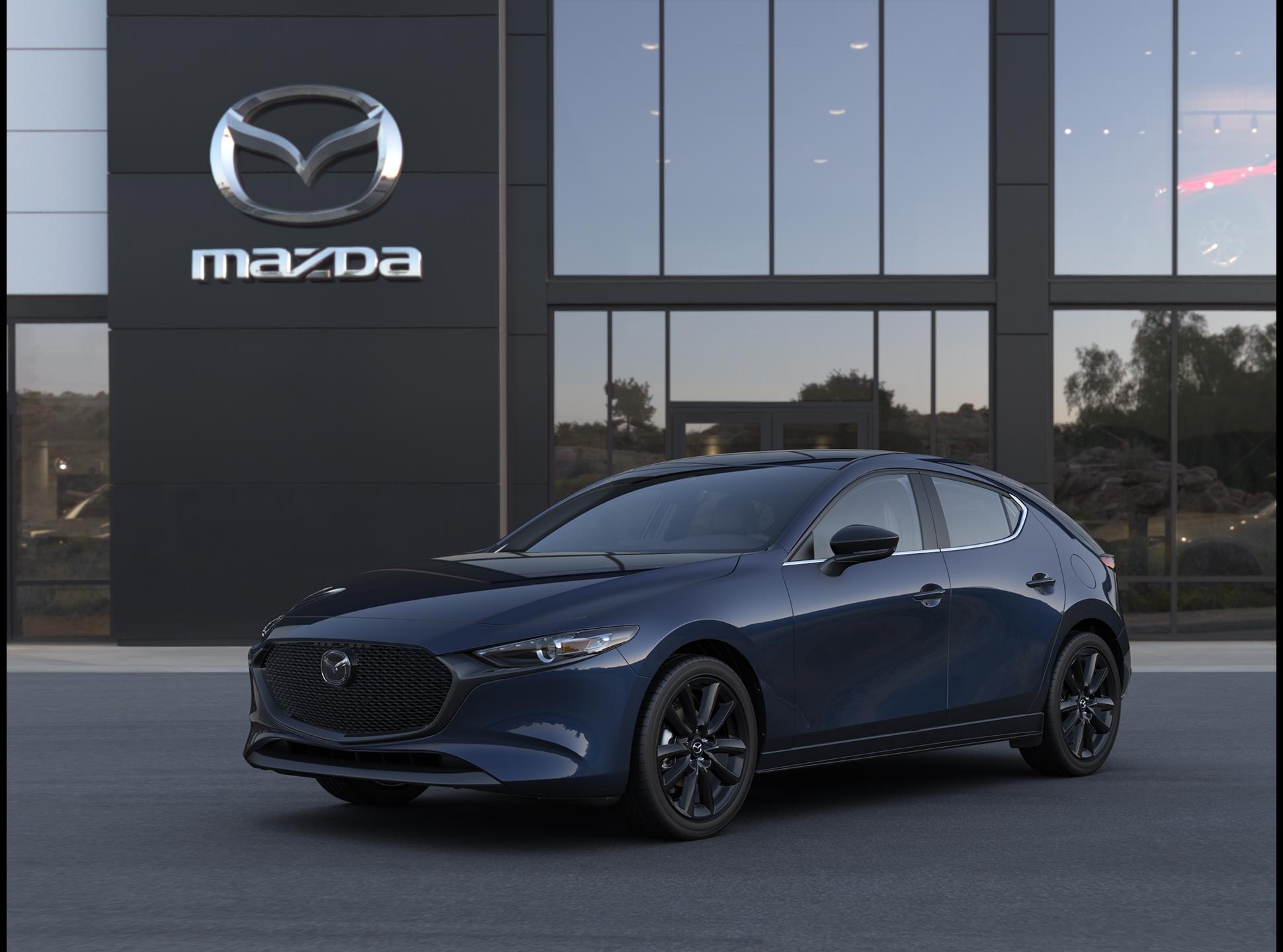
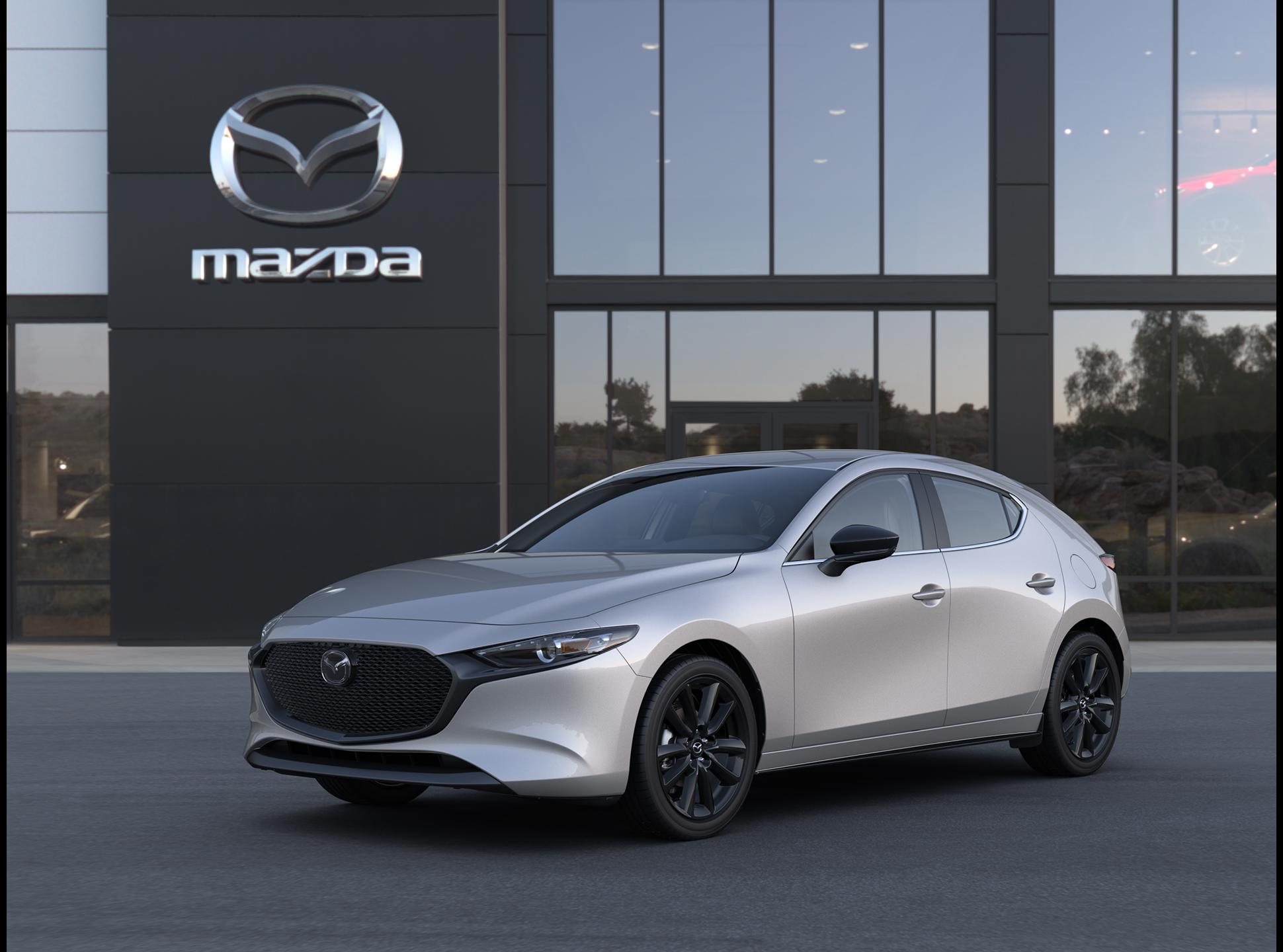
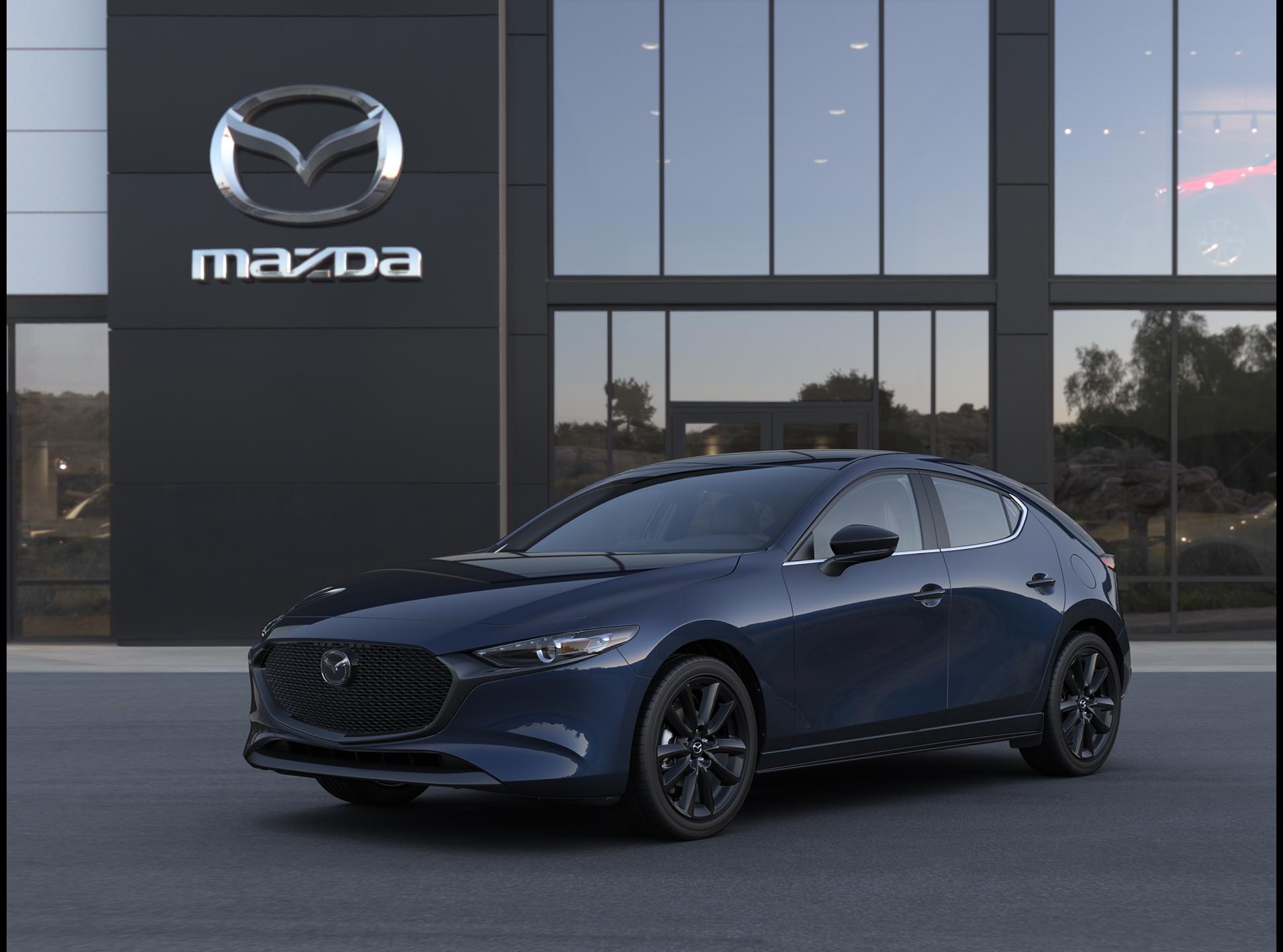
That is a perfectly good reason. This is one of the better looking cars in its class by a fair margin, with a long roofline and thick rear pillars that make it look considerably more expensive than it is. Design is a real feature and people pretending otherwise are usually about to talk you into something duller.
- The long roof and heavy rear pillars give the car a presence that most compact hatchbacks do not manage at any price.
- The way light moves across the bodywork is a deliberate part of the design, which is why it looks different in person than in photographs.
- Choosing a car partly because you enjoy looking at it is a legitimate reason, and it holds up better over three years than most people expect.
Go and look at one outside, away from showroom lighting. The surfacing on this car does something in daylight that photographs consistently fail to convey, so walk around it properly. Pay attention to the rear three quarter view in particular, since that is the angle the whole design was built around.
You will look at this car every morning for three years. That is not a trivial consideration and it deserves to count.
Why Hatchback Shoppers End Up Higher in the Lineup
There is a consistent pattern in how the two body styles get specified. Hatchback shoppers tend to drift upward through the grades, while sedan shoppers more often settle comfortably in the middle. It is not a rule, but it holds often enough to be useful before you start looking.
Part of that is who chooses the hatch in the first place. If you picked this body style for how it drives and how it looks, you are already someone who cares about those things, and the equipment that supports them sits further up. The result is that hatchback availability skews toward the better specified end.
- Hatchback stock tends to skew toward the higher grades, which affects what you will realistically find without a long wait.
- Buyers drawn to the body style are usually drawn to the equipment that goes with it, so the two decisions tend to travel together.
- If you want a hatchback in a more basic specification, expect to be more patient than a sedan shopper would need to be.
Say where in the lineup you want to land and you will get a realistic timeline back. Some pairings are common, some involve waiting, and hearing which is which beats falling for a car that takes four months to appear. Neither of us gains anything from that kind of surprise.
Know which end of the lineup you are shopping before you fall for a specific car. It saves a certain amount of disappointment. It also tells you whether to be patient or to move quickly when something lands.
Trading Out of a Vehicle Bought for a Different Life Stage
A lot of hatchback shoppers arrive in something considerably larger that no longer earns the space it occupies. It was bought when there were car seats, or a dog that has since got smaller, or a hobby that required hauling. The requirement went away and the vehicle stayed. Nobody plans it that way; it is simply what happens when a car outlasts the reason for it.
Those vehicles often appraise well precisely because they stopped being used hard some time ago. Low annual mileage in the last couple of years, a clean interior, and regular servicing all count in your favor. It is a much stronger trading position than people in this situation usually assume they are in.
- A larger vehicle that has been lightly used for a few years frequently appraises better than its owner expects.
- Consistent service history counts for more on an older vehicle, since it is the main evidence anybody has about how the car was treated.
- Establishing a real figure ahead of any commitment tells you whether this move is comfortable now or better left another year.
Bring it by and we will go over it properly. An appraisal carries no obligation, and a good number of people book one purely to establish where they stand before deciding anything. It is a twenty minute errand that occasionally reshapes a household's plans for the year.
Space you are not using is money sitting in your driveway. Finding out how much takes about twenty minutes.
An Afternoon Around One Loudoun Tells You Most of It
The way to evaluate a car like this is not a highway loop. It is an ordinary afternoon of the things you actually do, which for most people around here means parking structures, a few errands, and some slow moving traffic between them. Set the drive up to look like that and it will tell you something useful.
Take it somewhere like One Loudoun and park it in a real space with cars either side. Load something into the back. Reverse out of a spot with somebody walking behind you. A quarter of an hour of that answers more practical questions than any amount of reading, and nothing else will settle whether the rear visibility bothers you.
- Threading it into a genuinely tight spot is the test that counts, since that is where it will live every day.
- Loading something into the back during the test drive tells you whether the opening shape suits what you actually carry.
- Opinions on the rear visibility split fairly evenly, so spend a minute in the driver's seat and decide for yourself.
Ask us for the time to do that properly. Safford Mazda Sterling would much rather you spent an unhurried afternoon with the car and were certain about it than signed something after a quick loop.
Test it against your ordinary day. That is the day you will be repeating for the next three years. A highway loop flatters every car in the class and separates none of them.
Take one out for a proper afternoon of ordinary errands and see whether the shape of the back suits the things you actually carry.