
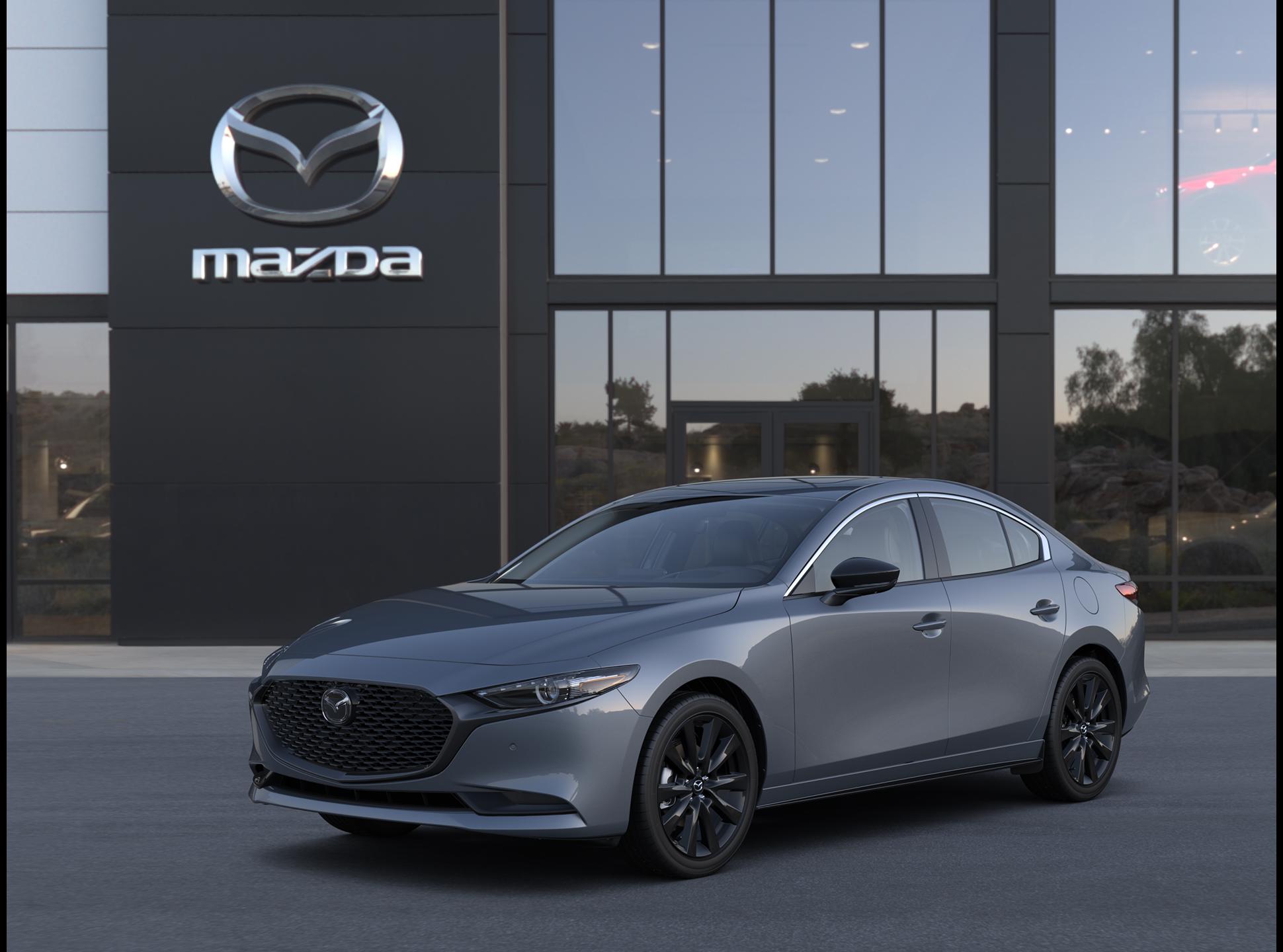
Frequently Asked Questions about New Mazda3 Sedan Lease Deals Sterling, VA
Is it harder to find a sedan now that everyone buys crossovers?
In some ways it has become easier. The crowd moved to crossovers, which leaves fewer people chasing each sedan that arrives and more scope to be choosy about finish. Most shoppers find they can go away and think for a few days without the car disappearing.
What does the sedan give me that the hatchback does not?
Privacy is the reason most people give. The quieter cabin is the reason they end up glad, since a fixed bulkhead keeps a surprising amount of noise out of the back of your head. Drive the two on one stretch of road and you will hear it.
My car mostly just goes to the Metro station. Does that change anything?
Considerably. Short hops twice a day accumulate very little distance, so the allowance conversation looks different from a commuter's. Long days parked in a public structure and a lot of cold starts are their own considerations, and both are worth raising.
Can I sell you my car without leasing something?
You can, and people do it regularly, particularly households going from two cars to one. Bring the title and whatever finance paperwork applies and you will leave with a real number. Keeping the car afterward is a perfectly good outcome and nobody will chase you about it.
Do I have to decide everything in one visit?
You do not, and splitting it usually produces a steadier decision. Drive it once with nothing on the table, go away, and come back when you have talked it over at home. The second appointment is short because the thinking already happened.
Have Additional Questions?
Driving one with no paperwork in sight is a normal request. Plenty of people make it.
A short daily run to the station changes what the agreement should look like.
Leaving without signing is a fine way for a visit to end.
Choosing a Sedan in a Market That Moved On
Sedan buyers have quietly become a minority, and that turns out to work in their favor. Fewer people shopping a body style means less competition for the ones that arrive, more room to be particular, and generally a calmer search. It is one of the few areas of the market where being out of step is an advantage. Nobody planned it that way, but there it is.
What it also means is that a sedan tends to sit a little longer before somebody claims it, so if you know what you want there is usually less urgency. You can look at two, go home, think about it, and come back. That is a luxury shoppers in more contested segments simply do not have right now.
- Fewer shoppers competing for sedans means you can take a weekend to think without losing the car you were considering.
- Being particular about color and interior is more realistic here than in the segments everybody is fighting over.
- The middle of the sedan lineup tends to be well represented, which is where most drivers find what they were after anyway.
Describe roughly what you are hoping for and someone will run through what is here now and what is due in. This particular decision rarely needs rushing, and Safford Mazda Sterling is not going to manufacture a reason.
Being in the smaller group of shoppers means you get to be picky. Use that instead of settling quickly out of habit. The urgency people feel in this segment is usually imported from shopping for something else.
Out of Sight, and Quieter With It
The obvious argument for a trunk is that people cannot see what is in it. That helps if you park in public structures or leave belongings aboard during the day, which is why a lot of commuters stay with the shape. It also spares you carrying a laptop bag into every building you visit.
The less obvious argument is noise. A sedan has a solid bulkhead between the cabin and the cargo space, which cuts out a lot of what you would otherwise hear from the back of the car. Road roar, tire noise, things shifting around behind you. On a long drive the difference is real, and it is the reason sedans usually feel calmer than the equivalent hatchback.
- Anything left aboard while the car is parked stays out of view, which matters to drivers using public structures daily.
- The solid bulkhead behind the rear seats blocks a good deal of noise from the back, making the cabin measurably quieter at speed.
- Nothing in the trunk can migrate forward into the cabin over a bump, which is a small thing you notice on every trip.
To feel the difference, drive the sedan and the hatchback along the same stretch of road. The noise gap catches most people off guard, because nobody thinks to mention it. Say so in advance and Safford Mazda Sterling can generally have the pair ready on one afternoon.
Security is the reason people give for choosing a trunk. Quiet is the reason they are glad they did. One of those is easy to explain to somebody and the other only makes sense once you have driven both.
When the Car Only Takes You to the Station
A growing number of drivers around here have a particular pattern. The car does a short run to a Metro station, sits in a garage all day, and does the same short run home. That is an unusual shape of use and the agreement ought to reflect it.
The annual mileage on that pattern is low, which points toward a smaller allowance and away from the default. But the car is used every single weekday, sits outdoors or in a public structure for nine hours, and does a lot of cold starts on short trips. Those are different considerations from a long commute, and they should shape both the agreement and how you look after the car.
- A short daily run to a station accumulates far fewer miles than a full commute, which usually points toward a lower allowance.
- Repeated short journeys are tougher on a car than one longer trip of equal length, so the maintenance conversation shifts a little.
- A car sitting in a public garage all day sees more door dings than one parked at an office, which is worth factoring into your choices.
Since the Silver Line extension opened, this pattern has become common enough that we structure agreements around it regularly. Describe your week accurately and the right shape of deal is usually obvious within a few minutes. The mistake is describing the week you used to have before the station opened.
The station run is a real use case and it does not fit the standard assumptions. Say so and the agreement can be built to match. Describing a commute you no longer have is how people end up paying for distance they never drive.
Selling Us the Car Without Buying Anything
Something people rarely realize is that you can sell a vehicle to a dealership without buying one in return. It is a straightforward transaction and it happens more often than you would think, particularly when a household is going from two cars down to one. There is no catch and no obligation attached to it. We buy vehicles because we need used inventory, which is a fairly simple motive.
The reason it is worth mentioning on a page like this is that it changes how you should think about timing. A car that will appraise better today than a year from now holds that value whether or not you are ready to lease something. The two decisions get bundled together out of habit, not necessity.
- Selling a vehicle here without taking one away is a standard transaction, not a favor anyone is doing you.
- Separating the sale from the purchase lets you act on good timing for one without being forced into the other.
- An appraisal is free and binds you to nothing, which leaves very little reason to stay uncertain about where you stand.
Bring the vehicle and its paperwork and we will give you a real figure. If you decide to keep it, that is a fine outcome and you leave better informed than you arrived. Nobody is going to follow up with pressure over a number you asked for out of curiosity.
Two decisions do not have to be one decision. Plenty of people separate them and end up better off for it.
Doing It in Two Visits Instead of One
There is an unspoken assumption that a dealership visit ends with a signature or it was a failure. That is not how we think about it, and it is not how most good decisions actually get made. Splitting it across two visits is usually the better approach. It costs you an extra trip and buys you a clearer head.
Come once to drive the car and ask questions with no paperwork on the table. Go home, sit with it, talk to whoever else it affects. Come back when you have decided, and the second visit is short because everything of substance already happened. Nobody here is going to chase you between the two.
- Driving the car with no paperwork present changes the experience, because you are evaluating rather than negotiating.
- A few days between the drive and the decision is usually enough to tell whether the enthusiasm was real or momentary.
- The second visit tends to be short, since the questions have been answered and only the mechanics remain.
If you would rather do everything at once, that is fine too and we will keep it moving. The point is that the two-visit version is available and nobody should feel awkward asking for it. Plenty of the people who lease from us take exactly that route.
Leaving without signing is a perfectly normal end to a good visit. It is often the sign of somebody about to make a decision they will stand behind. Nobody here is measured on how many people sign the same day they arrive.
Come and drive one with no paperwork on the table, then go home and think about it. We will still be here when you have decided.