











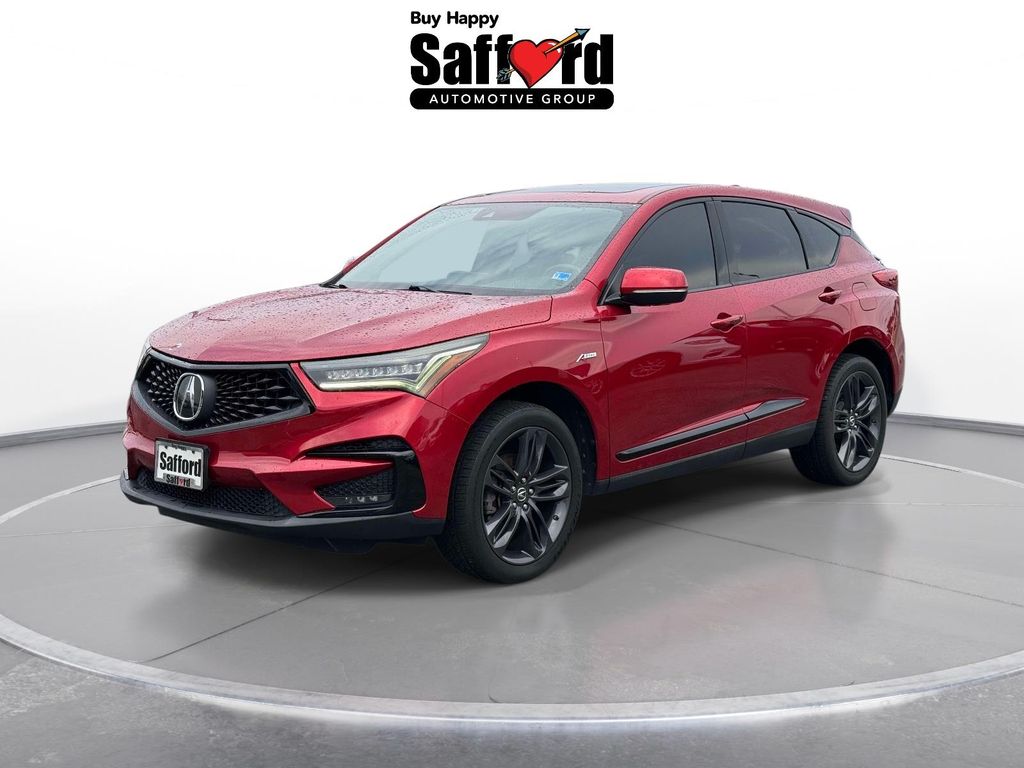


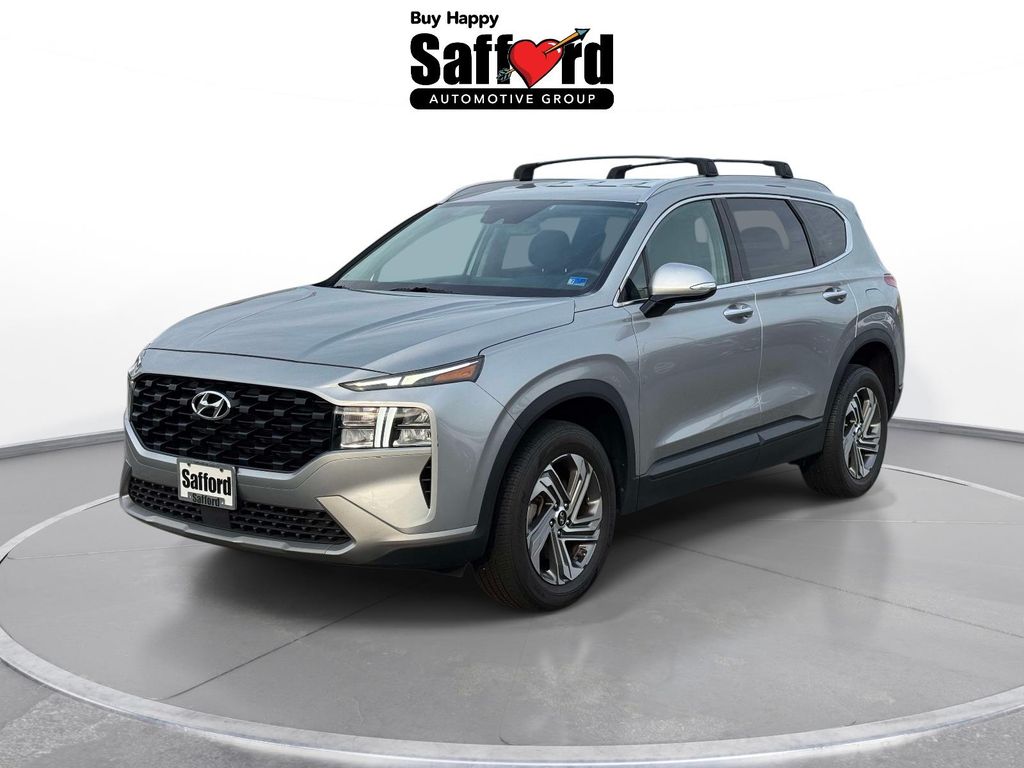
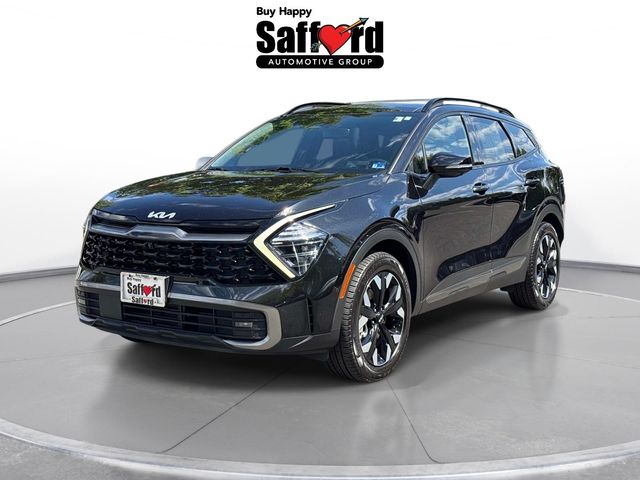



Frequently Asked Questions about Used Cars Under $25K Sterling, VA
What should a second car in a Sterling household do well?
That depends entirely on the job you give it, which is why naming the job first matters so much. A long-commute car and a local errand car should be chosen on completely different criteria even at the same price.
Is $25,000 enough for a car that will cover a lot of miles?
Comfortably, yes, and it reaches vehicles that are efficient, comfortable and recent enough to still feel modern. Prioritize seat comfort and cabin quiet if the mileage is going to be high.
Should I take a longer loan to keep the payment down?
Only if you need to, and only with the total in front of you. A longer term lowers the monthly figure and raises the overall cost while tying you to the vehicle for longer, so it should be a deliberate choice.
Which features are worth paying for on a second car?
The ones you use daily, such as a clear rear camera, heated seats through the winter and climate control that works properly. Cosmetic upgrades and larger wheels tend to cost you more over time than they give back.
Can I buy without trading anything in?
Of course, and plenty of second-car purchases work exactly that way because the household is keeping both vehicles. It also makes the timing more flexible, since nothing has to change hands on a single day.
Have Additional Questions?
Loudoun households put more miles on a second car than most people expect them to.
If you tell us what the car will actually do each week, we can point you at the ones that will still feel right in a few years.
That conversation with Safford Mazda Sterling takes about five minutes.
Second Cars in a Two-Car County
Most Sterling households run two vehicles, and the second one usually has a defined job. It might be the commuter that racks up the miles so the family car does not, or the runabout for school and errands, or the vehicle that carries everything awkward. Under $25,000 covers all of those comfortably.
That job matters more than any preference does. A car doing a long daily commute needs different things from one doing short local trips, and buying the wrong one is how a household ends up with two vehicles suited to the same purpose. The distinction is worth making out loud.
- A second vehicle chosen for a defined role in the household
- Long commuting distances treated as a real requirement
- Overlap between the two household cars avoided deliberately
Loudoun distances are the reason it matters here. When the second car may cover as many miles as the first, treating it as an afterthought turns out to be expensive. It deserves the same thought the main vehicle got.
Safford Mazda Sterling sees a lot of second-car purchases from Sterling households. The ones that go well start by naming what the car is actually for.
Assigning a Car Its Real Job
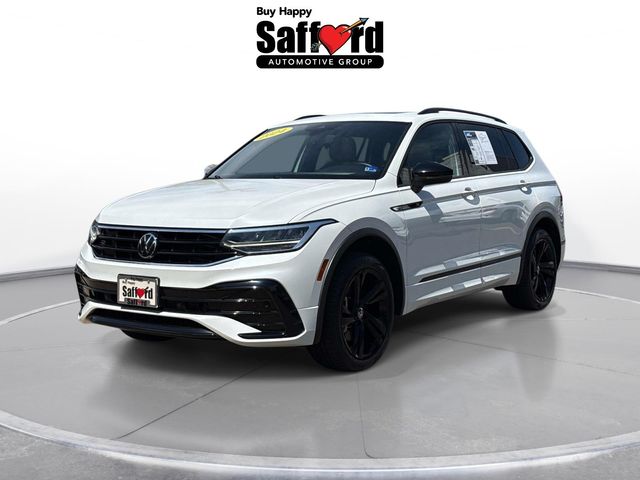
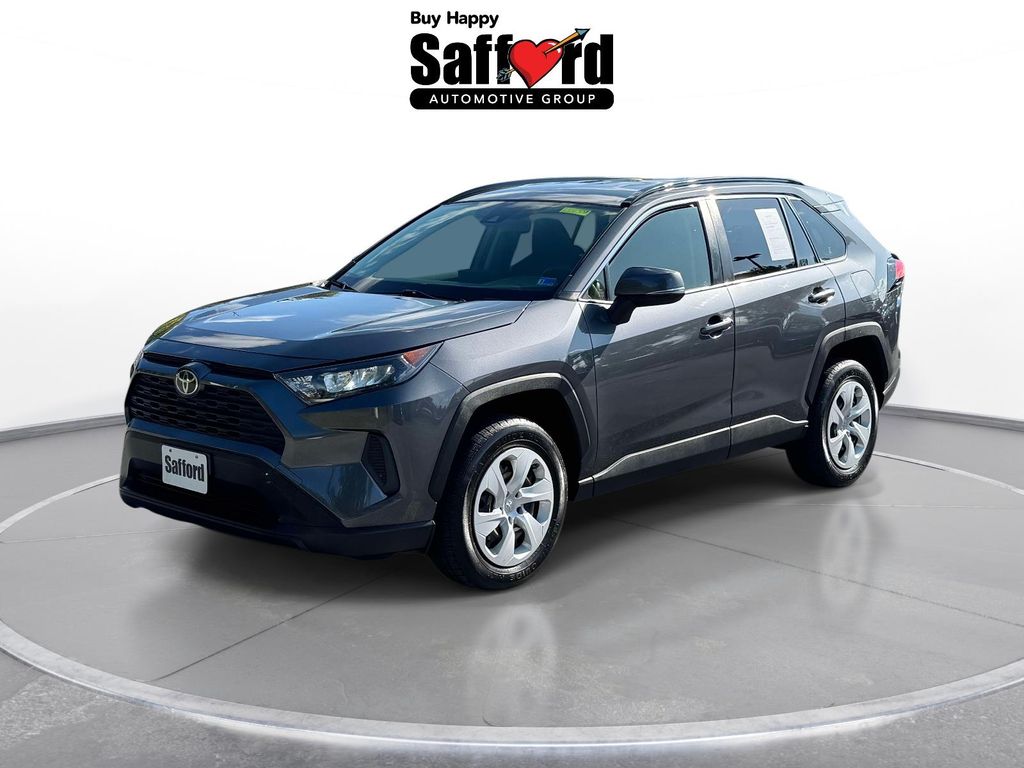
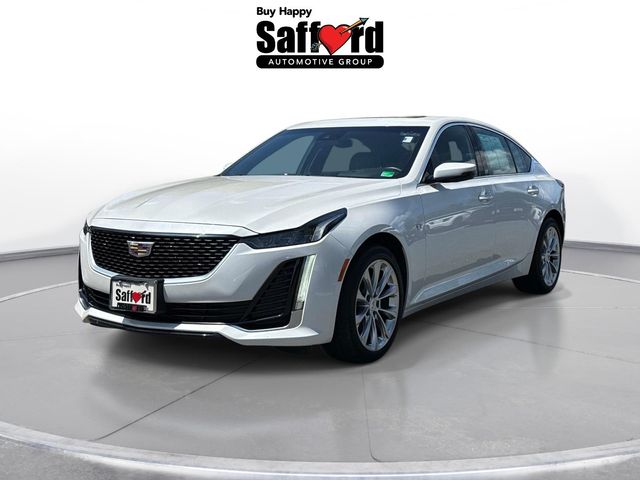
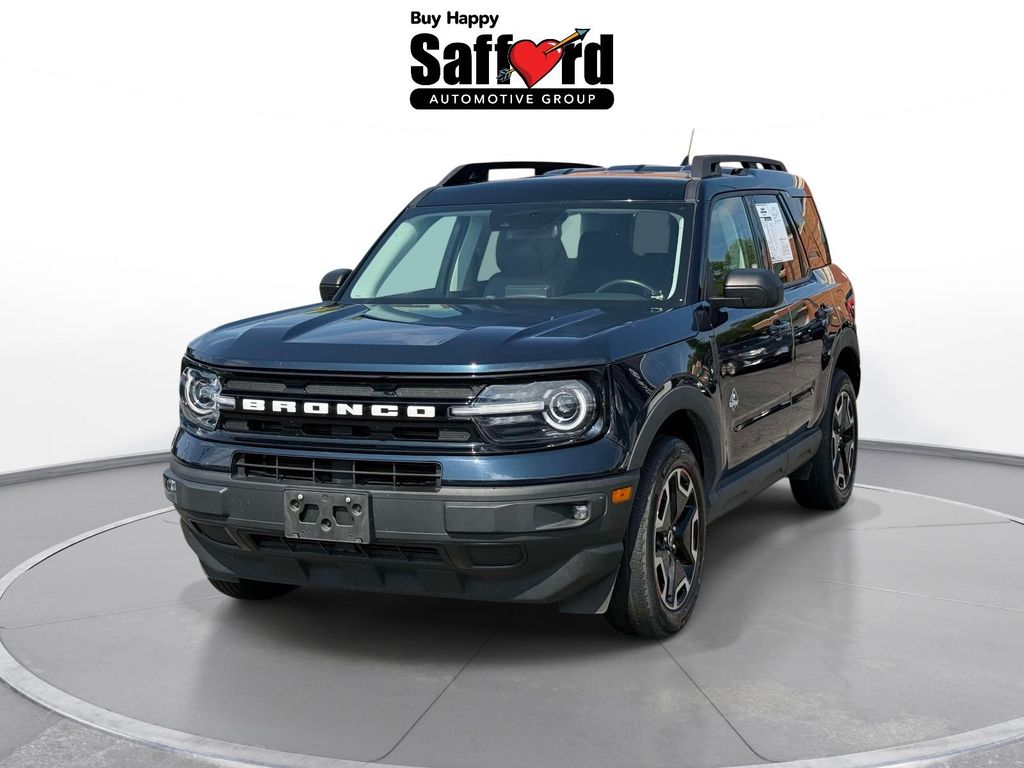
Under $25,000 the choice is wide enough that you can genuinely buy for a purpose. Efficient commuters, comfortable midsize cars, small crossovers and practical hatchbacks are all reachable, and each suits a different job. The budget is not the constraint here.
If the car is for a long commute, prioritize fuel economy, seat comfort and quiet. If it is for local errands, prioritize easy parking and low running costs. If it is the vehicle that carries bulky things, prioritize how much it swallows and how easily you can load it.
- Efficient commuters and practical runabouts kept distinct
- Priorities set by the role rather than by the price
- The job written down before any browsing starts
Write the job down before you look at anything at all. It sounds obvious and almost nobody does it, and it is the single thing separating a purchase people stay happy with from one they replace in two years.
Name the job first. Everything after that becomes a straightforward process of elimination.
Straightforward From Start to Finish
A second-car purchase should be simpler than the first one, and here it usually is. The household already knows how buying a car works, the requirements are narrower, and the decision does not have to please everybody at once. So we keep it brief.
That means a small shortlist, an honest conversation about condition, and no attempt to widen the search into something it never needed to be. If two cars fit the job, you drive both and pick one. There is nothing more to it than that.
- A short list rather than a wide open search
- Two candidates driven and one chosen, without ceremony
- Flexible timing when the household keeps its other car
If you are buying while keeping the other vehicle, say so, because the paperwork is simpler and the timing is far more flexible than it would otherwise be. That takes the pressure out of the whole process.
Simple purchases should stay simple. We have no interest in making this take longer than it needs to.
Term Length and What It Really Costs
The length of the loan is where the real cost hides, and it deserves more attention than the rate usually gets. Stretching the term makes the monthly figure smaller and the total considerably larger, and the effect is bigger than most people realize. It is worth seeing both versions written down.
There is a second effect people miss. A longer term keeps you tied to a specific vehicle for years after you have stopped feeling anything about it, and on a second car that gets driven hard, that can be a long time. A shorter arrangement leaves you more freedom.
- Both term lengths shown with their totals side by side
- The freedom a shorter arrangement leaves you explained
- A longer term treated as a valid choice when it is needed
The right answer depends on the household rather than on any rule. Sometimes a lower monthly figure is genuinely necessary and that is a perfectly legitimate reason to extend. What matters is choosing it knowingly rather than accepting a default.
Ask to see the total rather than only the monthly figure. Seeing both numbers side by side has talked plenty of people out of the longer term.
Options That Earn Their Cost Here
Under $25,000 you can be selective about equipment, and on a second car the choices worth making are practical ones. A rear camera with a clear picture, heated seats for winter mornings and climate control that works properly all earn their cost every week. Larger wheels and a sunroof do not.
Consider the maintenance implications when you pick equipment too. Larger wheels mean pricier tires, panoramic roofs add weight and occasionally leak with age, and complicated systems simply give you more that can fail. On a used car that is a genuine consideration.
- A rear camera checked for a clear picture, not just a listed feature
- Wheel size considered for what the tires will cost later
- Every feature tried in the lot rather than taken on trust
Try the equipment while you are sitting in the car rather than trusting the listing. Heated seats that no longer heat and cameras with fogged lenses are common enough on used vehicles, and both take seconds to check in the lot.
Test the equipment before you buy it. That takes a few minutes and saves an annoying discovery in January.
What is this second car actually for? Answer that in one sentence and the search under $25,000 stops being a search and becomes a short comparison instead. Bring us your sentence and Safford Mazda Sterling will bring the cars.