













Frequently Asked Questions about Used Cars Under $30K Sterling, VA
Why do maintenance records matter so much on a used car?
Because they show whether the vehicle was looked after consistently, which predicts your next few years better than the odometer reading does. A steady service pattern is more reassuring than a thick folder of unrelated receipts.
What should I look at to judge how a car has worn?
The parts a driver touches every day, meaning the door handle, the seat bolster nearest the door, the steering wheel rim and the pedals. Those wear in proportion to real use and they are much harder to disguise than paintwork.
Can I get a value for my car before coming in?
Yes, an online estimate gives you a realistic starting figure based on what you report about the condition. The final offer comes after somebody has inspected the vehicle, so expect the number to move in one direction or the other.
How long should a car under $30,000 last me?
That depends far more on how it was maintained than on what it cost, which is exactly why the records matter. Tell us how long you plan to keep it and we will shop with that horizon in mind.
Should I buy the newest car in this range or the one that was cared for?
The one that was cared for, most of the time, because condition and service history shape your ownership more than a model year does. A newer car with a neglected past can cost you more than an older one that was looked after.
Have Additional Questions?
If you have got as far as comparing specific cars, ask Safford Mazda Sterling to put their service histories side by side.
That is usually where a shortlist sorts itself out, and it takes considerably less time than another round of test drives.
Send over the vehicles you are weighing and we will pull what we have on each of them.
Records Tell You More Than Mileage
At this price the maintenance record is the most informative document attached to a car. It tells you whether the previous owner treated the vehicle as an asset or as a problem to defer, and that distinction predicts your next few years better than the odometer does. Ask for it on every car you consider.
What we look for is consistency rather than volume. Services happening roughly on schedule, the same items appearing at sensible intervals, and no long gaps where the car clearly ran without any attention. A thick folder of receipts is reassuring, but a steady pattern is what actually matters.
- Maintenance records requested and read on every vehicle
- Consistency valued above the sheer number of receipts
- Thin history reflected in the price rather than ignored
Where records are thin, the inspection has to do more of the work. That is not automatically a reason to walk away, but it should change the price and it should change how carefully you look. We will tell you plainly which situation you are in.
Safford Mazda Sterling would rather sell you a car with a documented past than a shinier one without one. Across a few years of Loudoun mileage that choice pays for itself.
Durability Over the Long Haul
Some vehicles are built to shrug off high mileage and some are not, and the difference is not always visible from outside. Interior materials that resist wear, seat frames that hold their shape, and switchgear that still feels right after years of use are all signs worth reading. Those things tell you how a car will feel in another few years.
Check the parts people touch constantly. The driver door handle, the seat bolster nearest the door, the steering wheel rim and the pedals. Those wear in proportion to real use rather than to whatever the odometer says, and they are honest in a way paperwork occasionally is not.
- Wear on the parts a driver touches every single day
- Interior materials assessed for how they age, not how they look
- Rattles and wind noise listened for at highway speed
Sound insulation is worth assessing on a long test drive too. Vehicles built for distance tend to stay quiet as they age, while cheaper builds develop rattles and wind noise that cannot really be put right. You will only notice it at speed.
Read the wear rather than the odometer. On a car destined for a long Loudoun commute that is a far better predictor of what is coming.
Selection Worth Taking Seriously
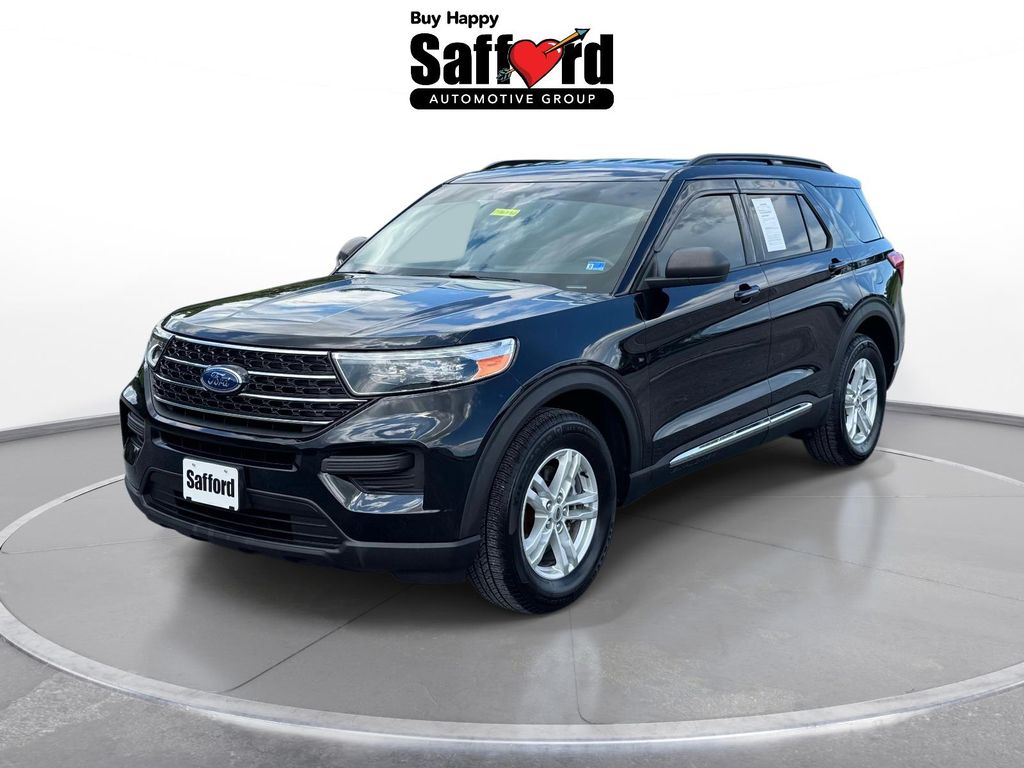
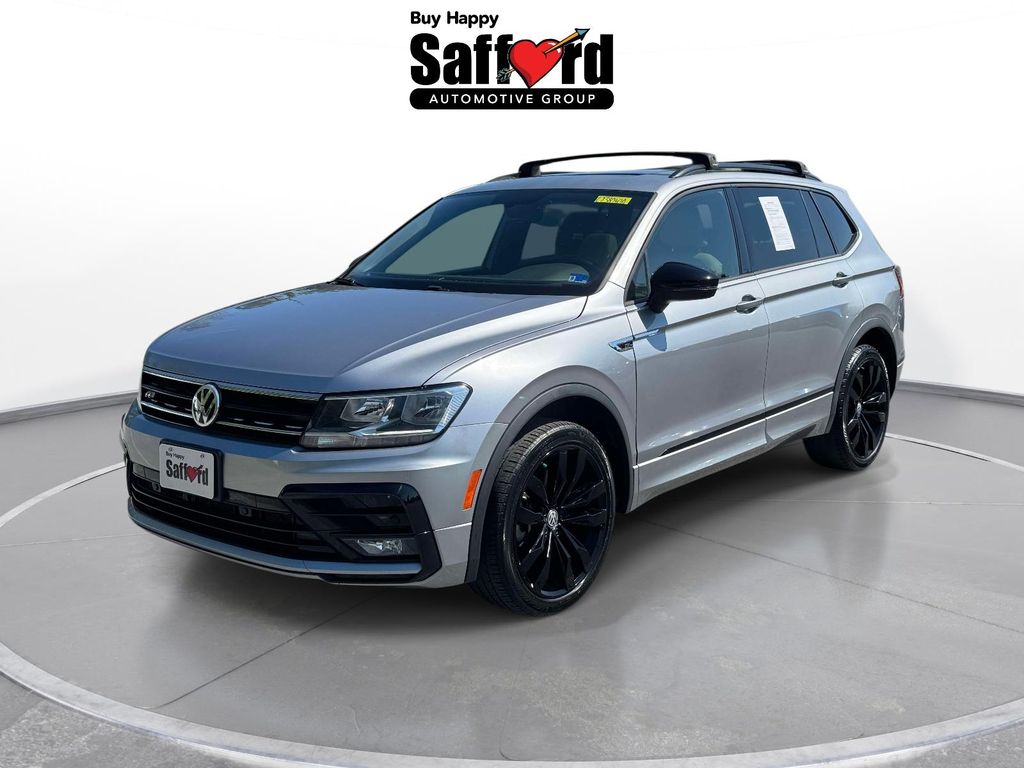
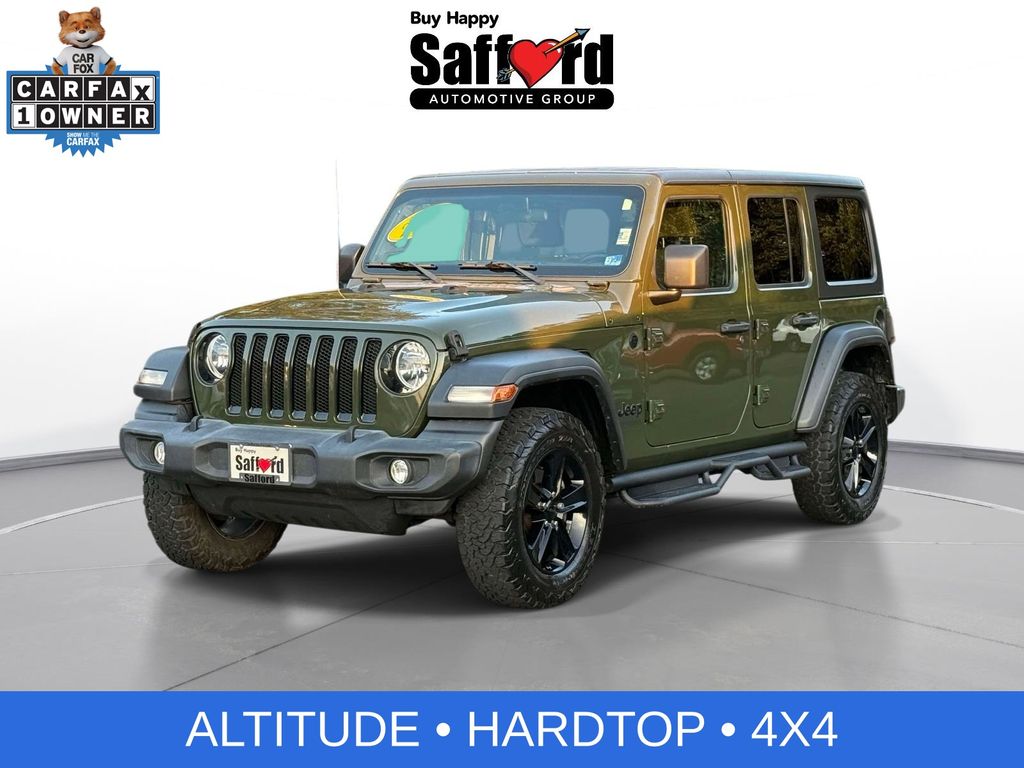
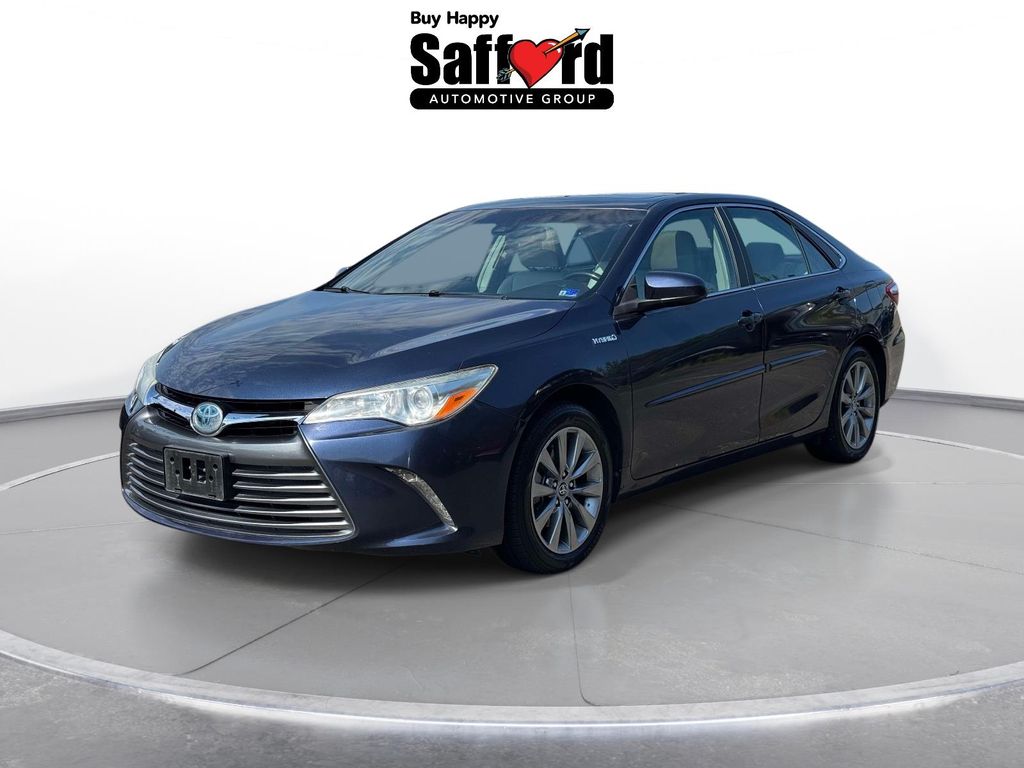
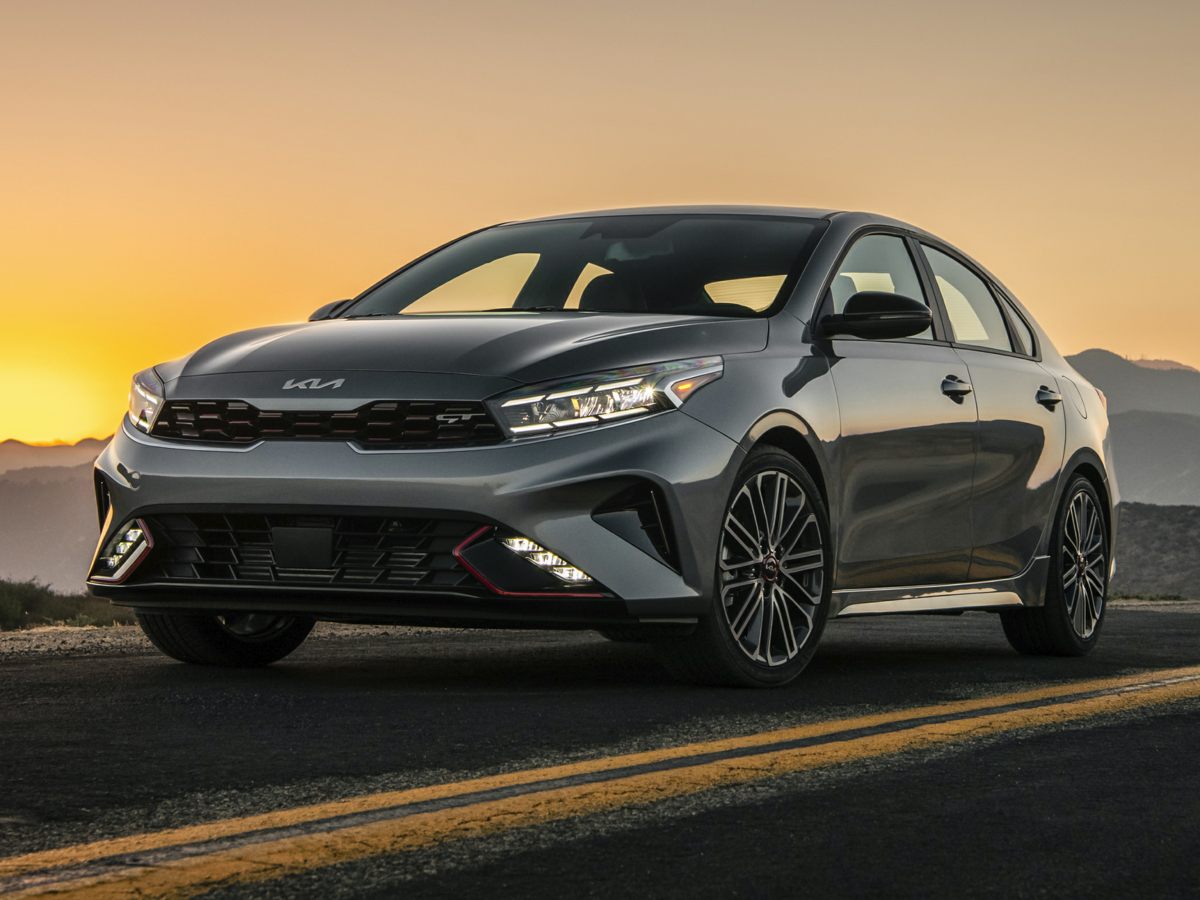
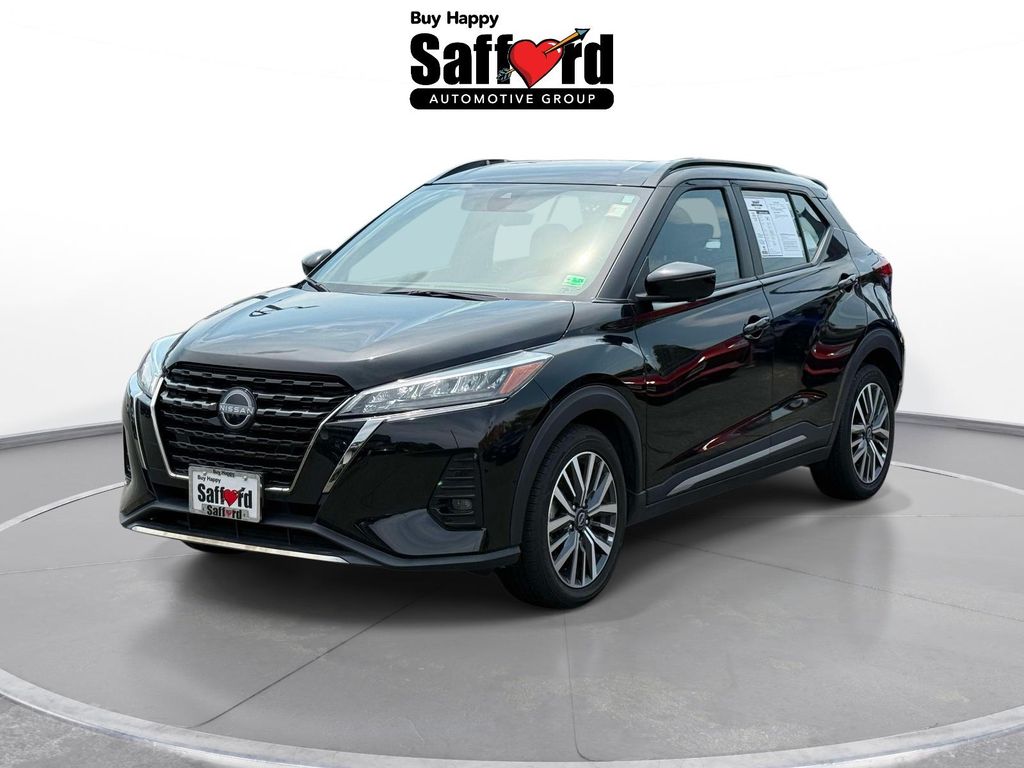
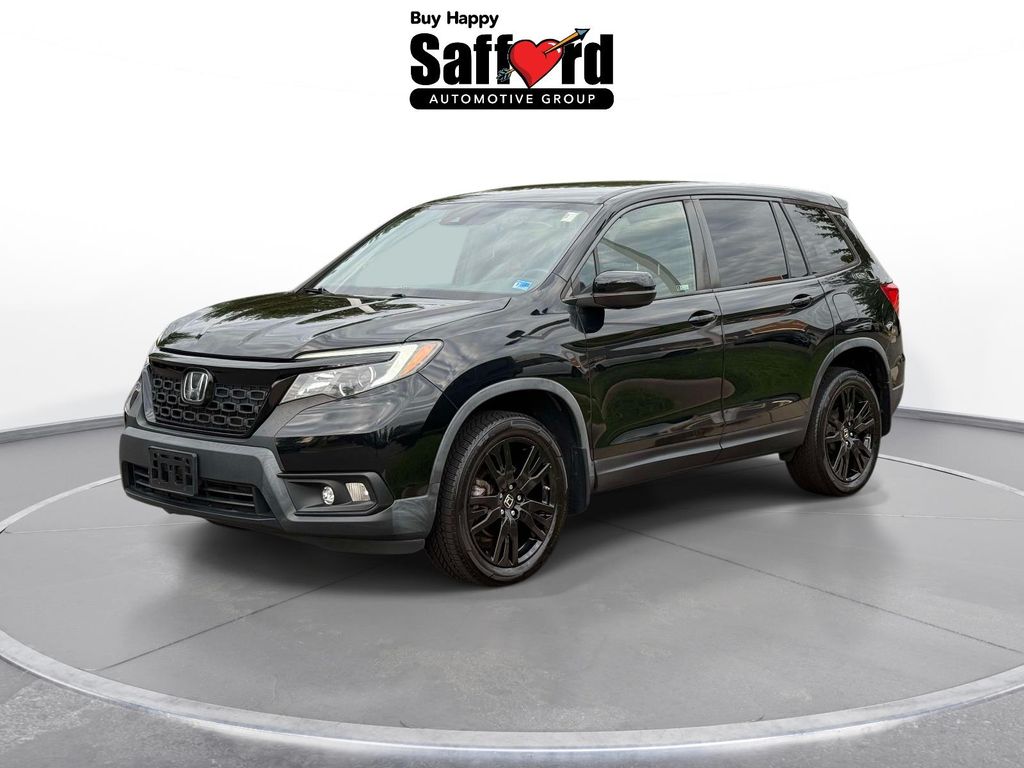
Under $30,000 the Sterling shopper usually wants something recent, comfortable and durable rather than something exciting. Midsize sedans, midsize crossovers and well kept larger vehicles all land in this band. It is a practical range and people shop it practically.
The most useful filter here is how long you plan to keep the car. If the answer is a few years, prioritize condition and how recently the wear items were replaced. If the answer is a decade, prioritize the vehicles with a reputation for aging gracefully, even if they are plainer than you had in mind.
- Recent, comfortable and durable vehicles rather than exciting ones
- How long you plan to keep it used as the leading filter
- Short-term and long-term ownership shopped differently
Tell us the plan and we will shop accordingly. Buying for three years and buying for ten are genuinely different exercises, and most places never think to ask which one you are doing.
Say how long you want this car to last you. That one answer changes which vehicles we bring around for you to see.
Estimating Your Trade From Home
You can get a value estimate for your current vehicle online before coming in, and it is worth doing. It gives you a realistic starting figure, which means the conversation here begins somewhere sensible rather than from nothing. Most people find that removes the part of this they dread.
An online estimate is exactly that, though, an estimate. It works from what you tell it about condition, and it cannot see the things a person would notice in five minutes with the car. Expect the final figure to move in one direction or the other once somebody has actually looked at it.
- An online estimate available before you make the trip
- The difference between an estimate and a firm offer explained
- A realistic starting figure so the conversation begins sensibly
So use the tool for the ballpark and the visit for the real number. Arriving with a rough figure already in your head makes the whole thing quicker and it means nobody is guessing at anything.
Run the estimate at home this evening. It costs you nothing at all and it makes tomorrow considerably shorter.
Thinking Past the Purchase
A car in this band is likely to be with you for a long time, so the purchase deserves a slightly longer view. The question is not only whether you like it now, but whether you will still be content with it after several winters and a great many miles. Those are genuinely different questions.
Practical things decide that more than exciting ones do. Whether the seat still suits you at the end of a long drive, whether the controls stay easy to use without looking down, and whether the car is cheap enough to maintain that you will keep maintaining it. Ask about all three.
- A long test drive on your own commute route where possible
- Controls judged on whether you can use them without looking
- Maintenance cost checked so that upkeep stays affordable
Take a long drive, on the actual route you cover every day if you can manage it. Nothing else exposes a car the way your own commute does, and it is the only test that reflects how you will genuinely use it.
Buy for the version of yourself who owns this car in a few years. That person cares about rather different things than the one standing in the lot today.
Run the online estimate on your current vehicle, dig out whatever service records you have, and give us an hour of your time. With those two things in hand, Safford Mazda Sterling can get you from browsing to a decision on a used car under $30,000 in a single visit.