Used Electric Vehicles for Sale in Sterling, VA
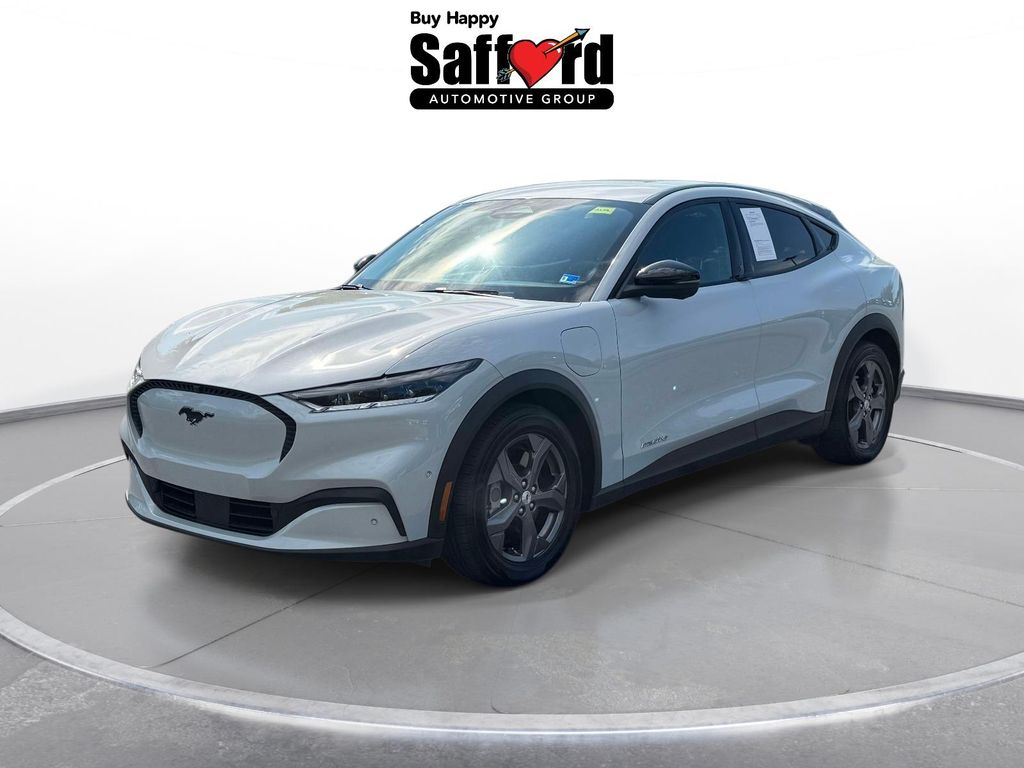


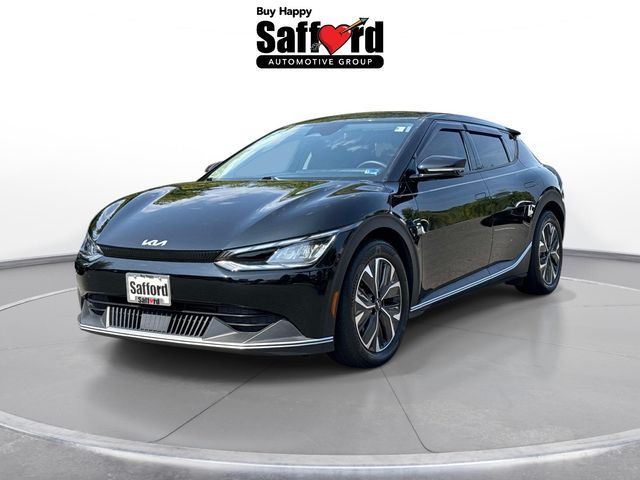

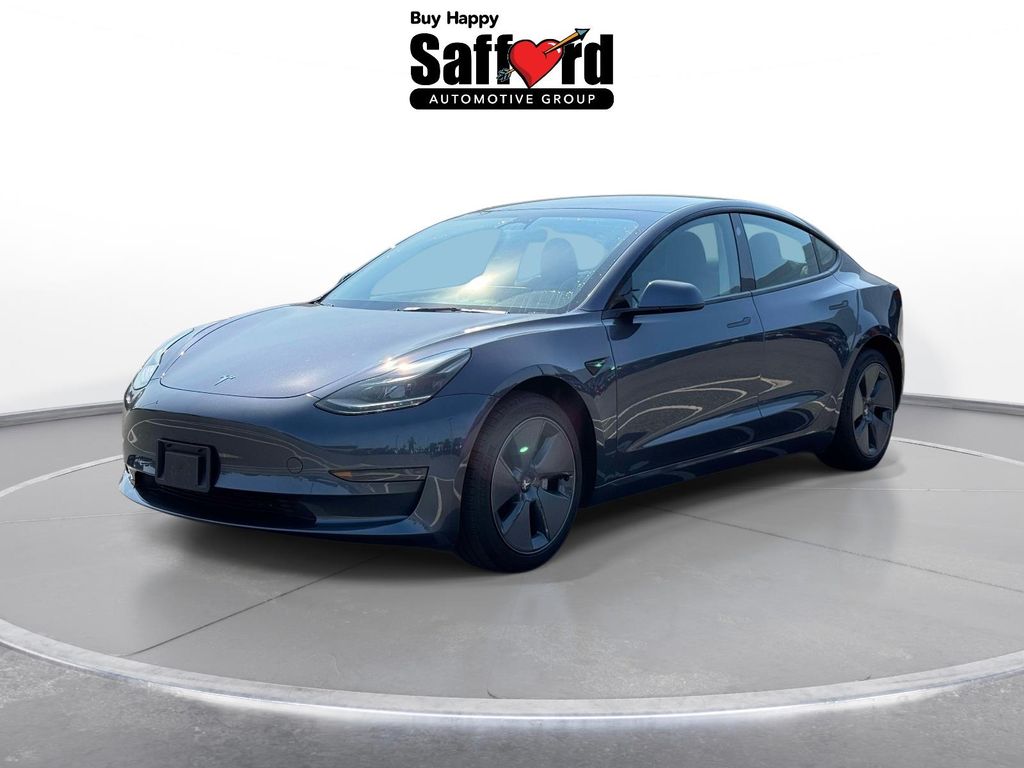



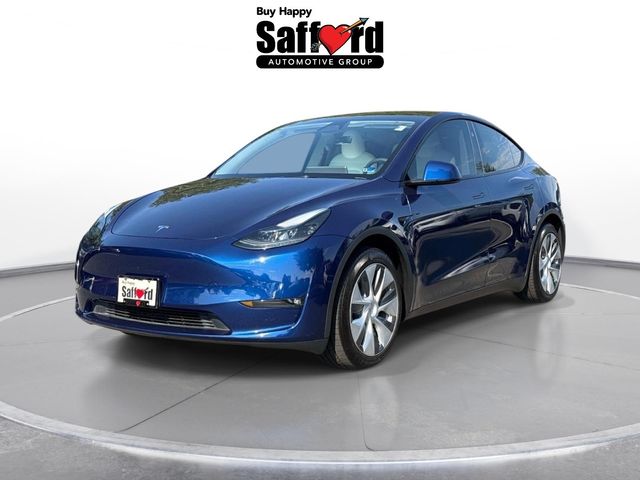





Frequently Asked Questions about Used Electric Vehicles Sterling, VA
Does an electric car lose range in the cold?
Yes, because heating the cabin and warming the battery both take energy, and the effect is noticeable through a Loudoun winter. Preconditioning the car while it is still plugged in recovers most of that, since the energy comes from the wall rather than from the battery.
Is the battery still under warranty on a used electric car?
Often it is, because manufacturers cover the high voltage battery for a considerably longer period than the rest of the vehicle, and that coverage normally transfers to a second owner. The details vary by manufacturer, so it should be checked on the specific car.
Can I charge at home using a normal outlet?
You can, and it adds charge slowly overnight, which is sufficient for a moderate daily commute. Households covering longer distances usually install a dedicated charger, and an electrician can tell you what your panel supports.
Does charging speed matter if I charge at home?
It matters on longer trips rather than day to day. If most of your driving is local and you plug in overnight, the difference rarely comes up, but it becomes important the moment you drive beyond a single charge.
Is an electric car practical for a long Sterling commute?
For most commutes here it is, since the daily distance fits comfortably inside modern range even allowing for winter. The deciding factor is whether you can charge where you park at night.
Have Additional Questions?
Nearly everyone assumes an electric car will not cope with a long Loudoun commute.
In practice the commute is rarely the problem. What decides it is whether you can plug in at home, and around Sterling most people can.
Run your numbers past Safford Mazda Sterling and we will tell you honestly whether it works for you.
Electric Cars on a Real Commute
An electric car makes more sense on a long commute than most people assume. The daily distance many Sterling households cover sits comfortably inside what a modern used electric car will do on a charge, and the driving itself is quieter and smoother than what you are used to. Traffic in particular becomes far less tiring.
Cold weather is the honest caveat. Range drops in winter because heating the cabin and the battery takes energy, and that drop is real rather than a rumor somebody spread. Plan around the winter figure rather than the summer one and the car will never let you down.
- Daily commute distance measured against winter range rather than summer
- Preconditioning used while the car is still plugged in
- A quieter cabin on a commute that includes heavy traffic
Preconditioning is the feature that solves most of it. Warming the car while it is still plugged in means you leave with a warm cabin and a battery already at temperature, using power from the wall instead of from the battery. It turns the coldest mornings into ordinary ones.
Work out your real daily distance before you shop. Safford Mazda Sterling would rather match a car to that number than sell you more range than your week requires.
Which Used Electric Cars Suit Sterling
The used electric selection has grown quickly and it is far more varied than it once was. Small hatchbacks, midsize sedans and crossovers of several sizes all appear now, which means the choice is a genuine one rather than a compromise. That is a recent development.
What separates them is less about brand and more about how quickly they charge and how far they go. Two cars that look similar can behave very differently on a longer trip, and the difference only shows up at the moment you need it. Ask about both before you decide anything.
- Hatchbacks, sedans and crossovers all represented now
- Charging speed compared alongside range on any shortlist
- Flat floors making the rear middle seat genuinely usable
Cabin space is another quiet advantage worth checking. Many electric cars have a flat floor and no transmission tunnel, which makes the back seat more usable than the exterior size suggests. Sit in the middle position and see for yourself.
Do not shop on range alone. How fast a car charges matters every bit as much once you start doing longer trips.
Warranty Coverage on the Battery
Battery coverage is the part of a used electric car that reassures people most, and it is worth understanding properly. Manufacturers cover the high voltage battery for a long period separately from the rest of the vehicle, and that coverage runs substantially longer than the general warranty. It exists precisely because the battery is the expensive component.
In most cases that battery coverage transfers to a second owner, which is exactly what makes a used electric car a reasonable buy. It generally protects against the battery failing or degrading past a defined threshold. The specifics vary by manufacturer, so we check them per vehicle rather than generalizing.
- Battery coverage checked per manufacturer and per vehicle
- Transfer to a second owner confirmed before you buy
- Battery cooling systems included in routine servicing
Ordinary servicing is lighter than you are used to, but it does not disappear. Tires, brake fluid, cabin filters and the coolant loop that keeps the battery at temperature all still need attention. A used electric car is cheaper to maintain rather than free to maintain.
Ask what battery coverage is left on the exact car you are looking at. It is the single most reassuring answer in used electric shopping.
Costs That Change When You Switch
The purchase price of an electric car often sits above a comparable gas one, while the running costs sit well below. That makes the monthly picture different from the sticker picture, and the monthly picture is the one you actually live with. Work it out properly before you judge it.
Fuel is the obvious saving and servicing is the quieter one. Fewer moving parts means fewer scheduled items, and around here the households covering the most distance are the ones who benefit most. High mileage drivers get more out of the switch than occasional ones do.
- Purchase price and running cost weighed as a single number
- Fewer scheduled service items across a year of ownership
- High mileage drivers identified as the clearest winners
Bring your actual weekly driving into the conversation. The arithmetic is genuinely different for somebody commuting daily than for somebody driving locally, and it changes whether the switch makes financial sense right now.
The switch pays back fastest for the people who drive the most. If that describes your household, the case is stronger than you probably think.
Plugging In at Home
Most Sterling homes have a driveway or a garage, and that changes everything about electric ownership. Charging at home overnight means you start every day with a full battery and rarely think about charging at all. It is a completely different experience from relying on public chargers.
A standard household outlet adds charge slowly overnight and is genuinely enough for a modest daily commute. A dedicated home charger fills the car far faster and is what most households eventually install. Either way the installation is a one-off job, and an electrician can tell you what your panel supports.
- Overnight home charging as the routine rather than the exception
- A standard outlet assessed honestly against your daily distance
- Panel capacity checked with an electrician before purchase
Worth checking before you buy rather than afterward. Ask an electrician what your home can handle and tell us what you find, because it occasionally changes which car makes sense for you.
Home charging is what makes an electric car easy to live with. If you have a driveway, you have the hard part solved already.
Bring three things and this gets simple: your typical daily distance, a photo of your electrical panel, and an idea of the longest trip you make regularly. With those in hand, Safford Mazda Sterling can tell you which used electric cars fit your life and which ones do not.