Used Hatchbacks for Sale in Sterling, VA




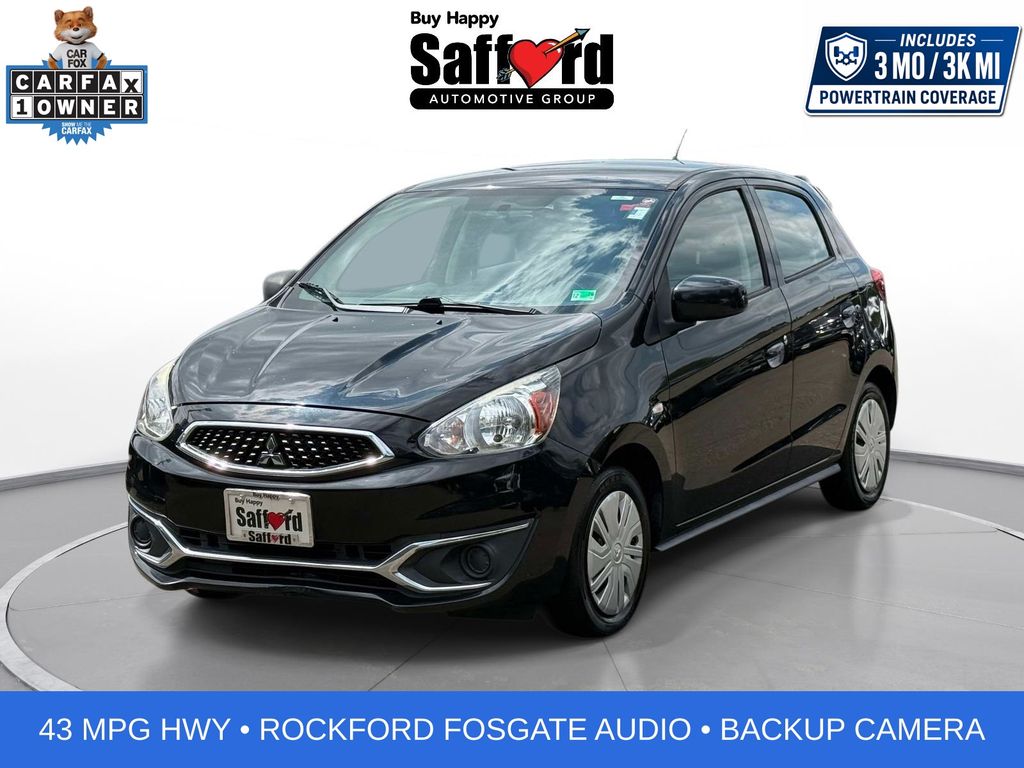
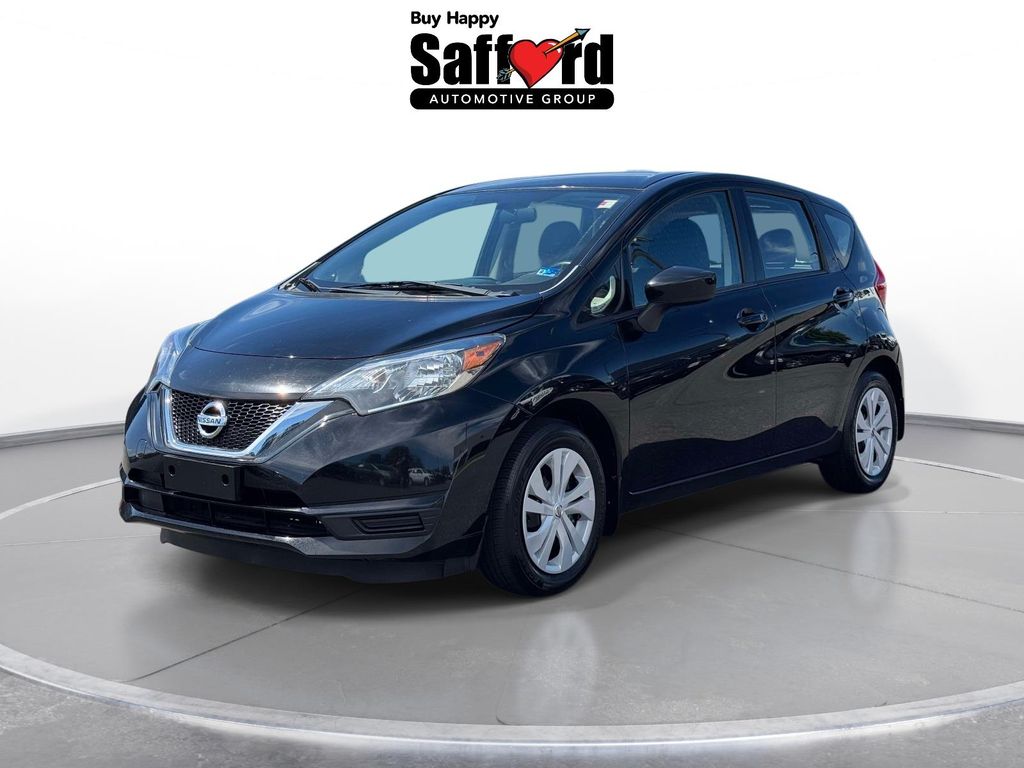

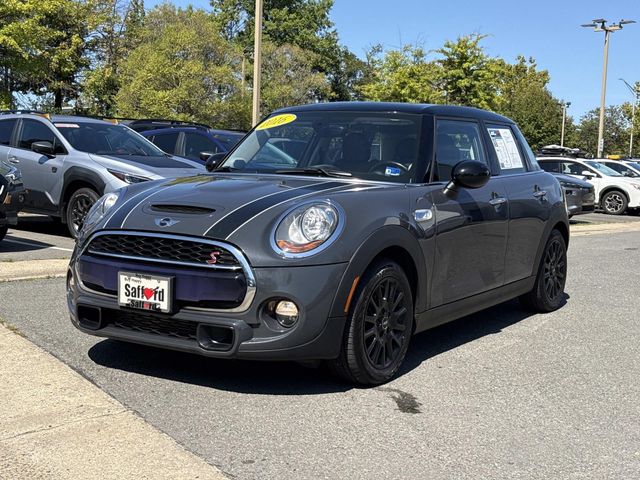

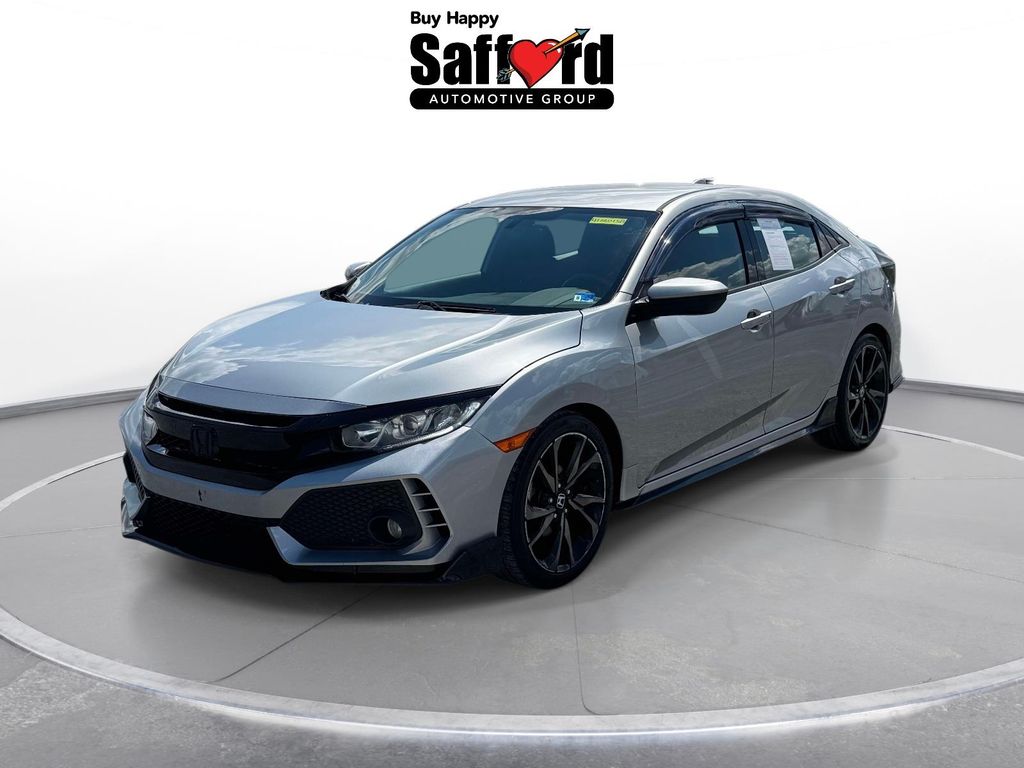







Frequently Asked Questions about Used Hatchbacks Sterling, VA
Is a hatchback big enough to replace a small SUV?
For most loads it is, since the opening is nearly as large and the seats fold flat, though you lose the ride height and some outright volume. If your loads are awkward rather than enormous, the hatchback usually wins.
Do hatchbacks cost less to insure?
Often they do, because premiums track the specific vehicle rather than the category and smaller cars tend to sit at the friendlier end. Get a quote on the exact car before you buy, since the gap between two similar cars can be meaningful.
Are used hatchbacks harder to find?
There are fewer of them, but there are also fewer people looking, so the two roughly cancel out. It does mean that waiting is a realistic strategy when the exact car you want has not arrived yet.
Will a bicycle fit in a hatchback?
With the front wheel removed and the rear seats down, most of them will take one without a rack. Bring yours and try it, because the shape of the opening matters more than any number on paper.
Is downsizing to a hatchback worth it?
If the larger vehicle spends most of its life carrying nothing, then yes, and you usually free up equity in the process. The one thing to check is your genuine peak load, so you do not go smaller than your life allows.
Have Additional Questions?
Not sure whether a hatchback will take what you carry?
Bring it along. Loading the actual thing into the actual car is a five minute job and it answers the question completely.
Arrange it with Safford Mazda Sterling and we will have the seats down before you arrive.
An Easy Purchase, Done Properly
Hatchbacks are one of the easier purchases to get right, mostly because the buyers already know what they want. People who come in asking for a hatchback have usually worked out that they need the space without the size. That makes the visit short and pleasant for everybody.
What we can add is comparison. The differences between hatchbacks come down to the shape of the opening and how the rear seats fold, and those are things you have to see rather than read about. A few minutes of loading and unloading settles most decisions.
- Comparisons based on loading rather than on specifications
- The things you actually carry tried in the actual car
- Short visits because these buyers know their own needs
Bring whatever you actually carry. Bikes, a dog crate, a stroller, boxes for a weekend market stall. Any of those tells us more about which hatchback suits you than a list of features ever would.
Safford Mazda Sterling finds hatchback shoppers are the most decisive people who come through the door. Give them the right two cars and they choose the same afternoon.
Cargo Access Without the Bulk
The hatchback advantage is one thing: a tall, wide opening straight into the cabin. A sedan trunk is a letterbox by comparison, and anything bulky either goes in awkwardly or does not go in at all. That single difference is why people who own a hatchback rarely go back.
Folding the rear seats extends that into genuinely useful load space. It is not an SUV, but it takes flat-pack furniture, a bicycle with the front wheel off, and the sort of awkward load that defeats a sedan entirely. All of it while parking like a small car.
- A tall opening that swallows awkward shapes
- Rear seats folding into a genuinely flat load area
- A lower load floor than a comparable crossover
Load height is the underrated part. The floor sits lower than an SUV cargo bay, so heavy things get lifted a shorter distance, which matters more as the years pass. Try lifting something into one before you decide.
Bring the most awkward thing you carry regularly. If it goes in easily then you already have your answer.
Fewer Shoppers, Better Odds
Hatchbacks are a smaller part of the American market than they are elsewhere, which means fewer shoppers competing for them. That works in your favor on price and on patience alike. You are not fighting a queue for these.
The selection covers subcompacts, compacts and a handful of larger cars, plus the crossover-hatchback hybrids that blur the line between the two. Deciding whether you want the higher seating position or the lower one narrows things quickly. That is the real fork in the road.
- Less competition than the equivalent crossover attracts
- Seating height used as the first filter rather than the last
- Waiting for the right one treated as a realistic option
If nothing suitable is here today, waiting is genuinely viable in this category. Because demand is lower, the right car tends to still be available when it appears rather than gone by the same afternoon.
This is one of the few categories where patience costs you nothing. Use that if the exact car you want has not turned up yet.
Running Costs Beyond the Payment
Running costs are where a hatchback quietly wins, and insurance is a larger part of that than most shoppers account for. Premiums vary considerably between vehicles that cost the same to buy, and a smaller car usually sits at the friendlier end of that range. It is worth checking before you commit rather than afterward.
Get a quote on the specific vehicle before you buy it. Insurers price by the exact model and trim rather than by category, and the difference between two cars on your shortlist can be meaningful across a year. It takes a few minutes and it occasionally changes the decision.
- Insurance quoted on the specific vehicle before purchase
- Smaller consumables costing less at every service visit
- Annual running costs weighed against the purchase price
Maintenance follows the same pattern. Smaller tires, smaller brakes and simpler systems all cost less to service, and those savings show up every year rather than just once. None of it is dramatic and all of it is real.
Add up what a car costs to own rather than what it costs to buy. On a hatchback that arithmetic usually looks better than people expect.
Downsizing Without Losing Practicality
A lot of hatchback buyers are trading down deliberately, usually from something larger that stopped earning its space. That is a sensible move and it often leaves equity behind. Downsizing can put money back in your pocket rather than taking it out.
Demand for larger vehicles is firm right now, so if you are coming out of a crossover or an SUV you may be pleasantly surprised by the appraisal. We will value it properly and show you where the figure came from.
- Equity left over when you move down a size
- Larger trades valued while demand for them stays firm
- Peak carrying needs checked before you go too small
The mistake to avoid is downsizing too far. If you genuinely need the space several times a year, a hatchback with folding seats and a roof rack handles it, but a subcompact may not. Be honest about your actual peak requirement.
Downsize to the size you need rather than the smallest one available. The gap between those two is what makes people happy with the choice.
Two hatchbacks will be waiting with the seats already folded, so you can load whatever you brought and compare them properly. Nobody will mention numbers until you have done that. Safford Mazda Sterling finds it simply works better in that order.